


Milan Kundera once said, “The struggle of man against power is the struggle of memory against forgetting.” In today’s India, this quote rings more true than ever. As we navigate a time marked by state repression, communal violence, bulldozer justice, and manufactured amnesia, memory itself becomes an act of resistance. To forget is to become complicit. To remember is to fight back.
In the winter of 2019, when the Citizenship Amendment Act (CAA) sparked protests across the country, something profound unfolded. In Delhi’s Shaheen Bagh, My friend Sharjeel Imaam and I established a movement, primarily of Muslim women. The movement challenged not just a discriminatory law but an entire narrative that sought to marginalize and erase. What began as a protest became a powerful act of collective remembrance, a stand against the erasure of India’s secular promise, its constitutional guarantees, and its diverse people.
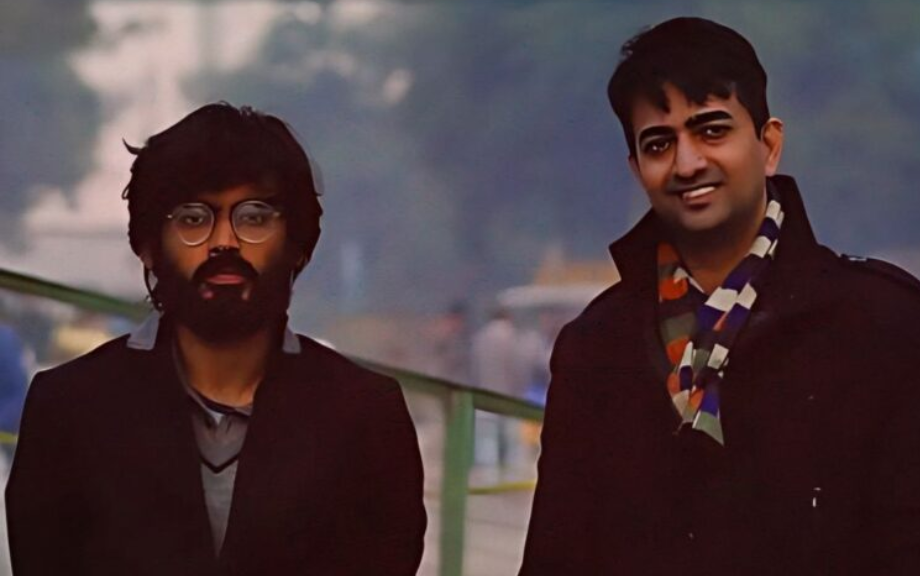
I stood there, on the grounds of Shaheen Bagh, not just as a leader but as someone learning one of life’s most powerful lessons, not in classrooms or courtrooms, but on the streets. In that bitter cold, wrapped in shawls and carrying babies, women refused to be silent. Elderly citizens were served tea and solidarity. Students debated constitutional law by candlelight. Every night was symbolic of the power of not forgetting. We remembered our rights, our histories, and, most importantly, each other.
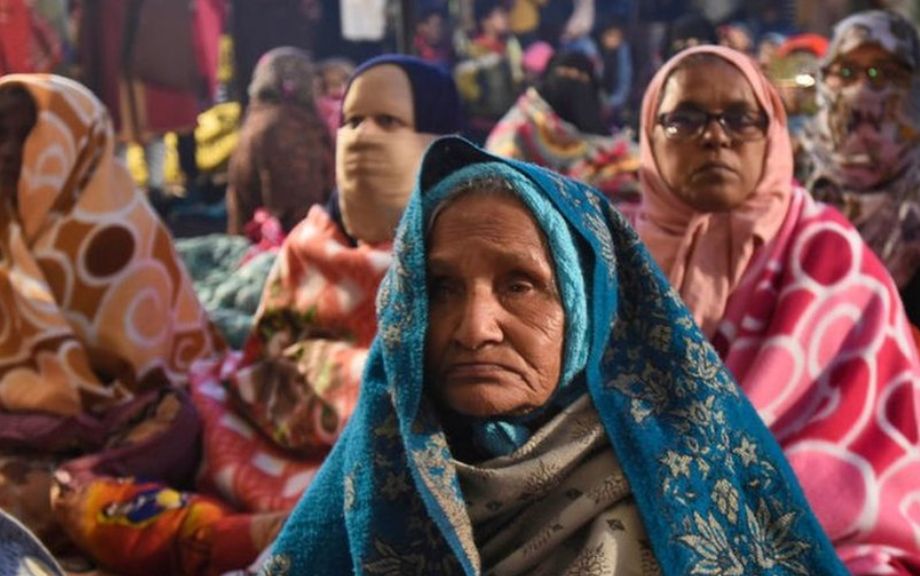
To Forget would be to Abandon those who Suffered
That was just the beginning.
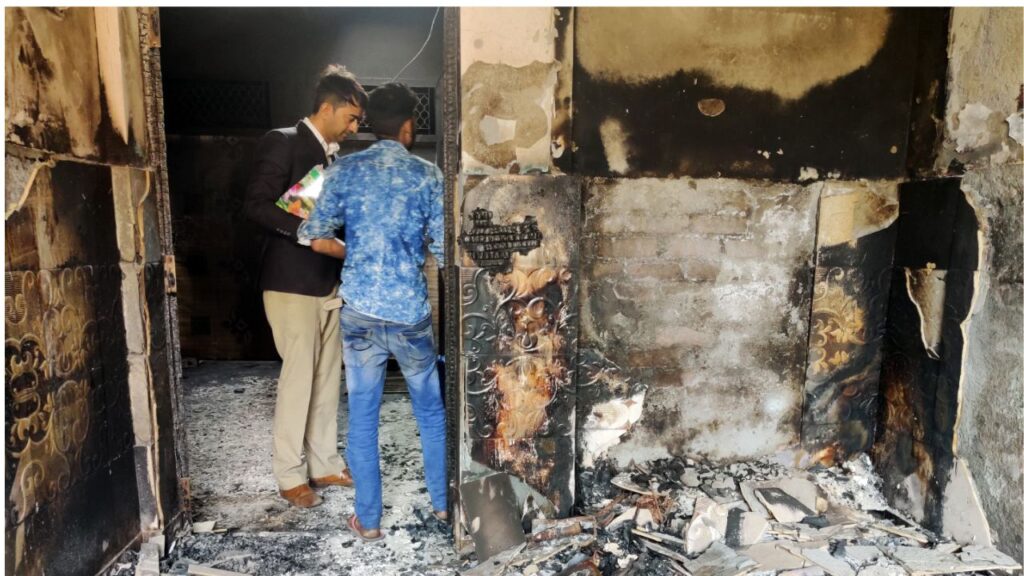
In February 2020, North East Delhi witnessed one of the darkest chapters in its recent history: a large-scale anti-Muslim riot that left more than 50 people dead, most of them from the minority community. This is when another imperative chapter of my life unfolded. I established an organization, Miles2Smile, to help people and to dedicate my skills to community work. The violence was brutal and deliberate. Bodies were found in drains days later, charred and decomposed. While the nation quickly shifted its attention to the pandemic, those of us on the ground could not move on. We sat with grieving families, walked through gutted homes, and listened to children whose innocence had been stolen.
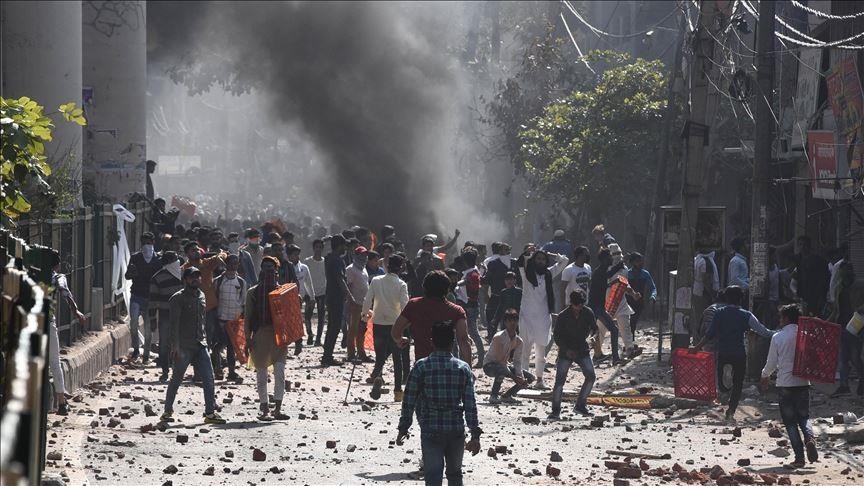
Every day, I and my team from my organization, Miles2Smile, traveled from one end of Delhi to the other, offering food, medicine, support, and sometimes just a shoulder to cry on. We returned home late, often crying at the dinner table. And yet, each morning, we rose again. Not out of obligation, but out of memory. We carried with us the stories, the faces, the pain, and the unshakable belief that to forget would be to abandon those who suffered. That memory became our engine. That pain became our purpose.
Forgetting is Dangerous
Between 2021 and 2024, bulldozers became the new symbols of state power. In Madhya Pradesh, Rajasthan, Gujarat, and Haryana, homes were razed under the pretext of law and order, communal flare-ups, or land disputes. Most of these demolitions targeted marginalized communities, Muslims, and Dalits and tribal groups, often without due process, notice, or recourse.
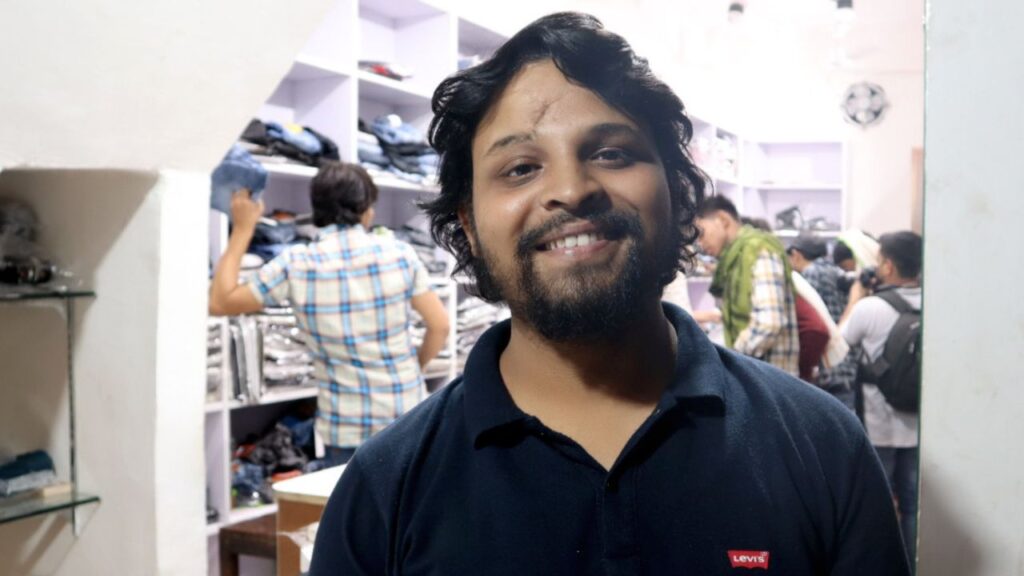
I still remember the despair in the eyes of a woman in Khargone, standing in front of the rubble of what was once her home. “Humne kya kiya tha?” she asked me. What had she done? Her only crime was being Muslim in a locality the state decided to “cleanse.” These demolitions were more than structural; they were psychological warfare. They aimed to shatter dignity and memory. But memory is resilient.
In the refugee camps around Delhi, I met Rohingya families who had already fled genocide in Myanmar, only to be treated as “illegals” in the land they had hoped would offer refuge. Stateless and unwanted, they lived in limbo without documents, without homes, without protection. Yet they held onto something even more powerful: their stories. Their refusal to forget who they are and what they had endured became a form of survival.
This is why forgetting is dangerous. Forgetting allows injustice to become normalized. It enables the state to rewrite history, to paint resistance as criminality, and to reduce suffering to a statistic. When we forget the names, the faces, and the reasons behind our protests, we pave the way for the same atrocities to repeat.
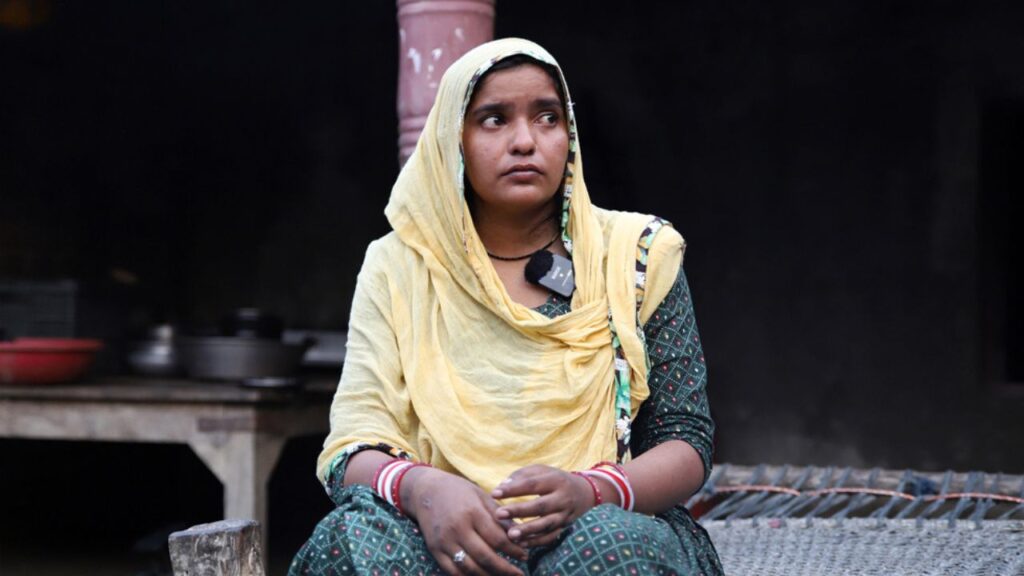
Memory is not Nostalgia; it is Defiance
Memory, in contrast, is active. It is not nostalgia; it is defiance. It is a demand for justice. It is a form of accountability.
We must not forget Father Stan Swamy, who died in custody after being denied a basic straw and sipper despite suffering from Parkinson’s disease. A Jesuit priest who fought for Adivasi rights, he spent months in jail simply for standing up for the voiceless. His dignity was stripped, his health deteriorated—and yet he never wavered.
We must not forget Sharjeel Imam, Umar Khalid, Gulfisha Fatima, Khalid Saifi, and others arrested in the aftermath of the Delhi riots. These were not criminals. These were scholars, students, and activists who dared to speak out. Their crime was their courage. Their incarceration is a message to us all: forget your ideals, or face the consequences.
We must not forget Gaza. Even as bombs fall and the world turns its gaze elsewhere, the people of Palestine continue to resist erasure. Their memory of homeland, of loss, of resilience—these are their strongest weapons. When the world forgets, they remember. And through that remembering, they survive.
Today, as human beings, we must protect memory like a sacred fire. We must archive the truth, not just in headlines and hashtags, but in stories, in solidarity, and in sustained resistance.
Because history is full of silences, moments where memory was suppressed and narratives rewritten. But it is also full of ruptures, moments when people remembered who they were, what they had lost, and what they must reclaim. The civil rights movement, the anti-apartheid struggle, India’s own freedom fight were all driven by people who refused to forget.
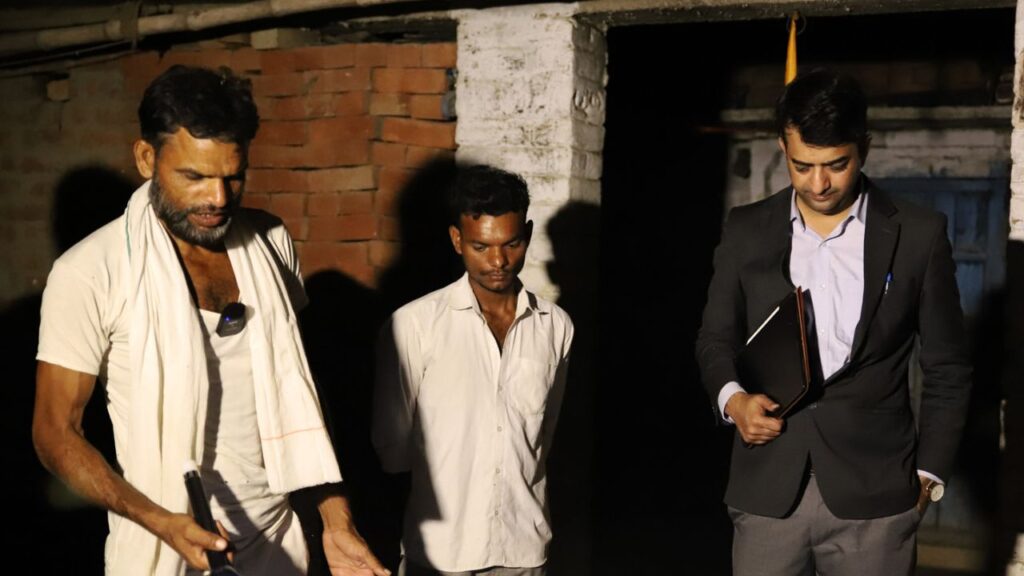
In India today, to remember is to be political. It is to reject the sanitized, state-approved version of events. It is to keep alive the names of those in jail, the faces of those killed, and the hopes of those still fighting. We must remember the protest songs, the court hearings, the marches, the hunger strikes, the poetry, and the pain. Each memory is a seed of resistance. Each story passed down is a refusal to let oppression go unchallenged.
So let us not forget. Let us not forget the ideals this nation was founded on—justice, liberty, equality, fraternity. Let us not forget the people who bled to defend those ideals. Let us not forget the children of Shaheen Bagh, the widows of Delhi’s riots, the broken homes in Khargone and Nuh, the stateless in Rohingya camps, the unjustly jailed, the dead, and the disappeared.
Because when we choose to remember, we do more than honor the past.we protect the future.
Memory is resistance.
Memory is justice.
Memory is love.
And we must never let it fade.


