


In recent days, India’s national conversation has once again drifted toward a familiar yet unnecessary controversy, which slogan defines true patriotism.
Is patriotism proven only by saying “Vande Mataram”?
Does expressing love for the country through “Hindustan Zindabad”, “Bharat Zindabad”, or “Jai Hind” make one less devoted to the nation?
These slogans, historically spoken from the heart and meant to unite people across regions and communities, are increasingly being drawn into political and ideological contests. What was once a language of unity is now being framed as a test of loyalty.
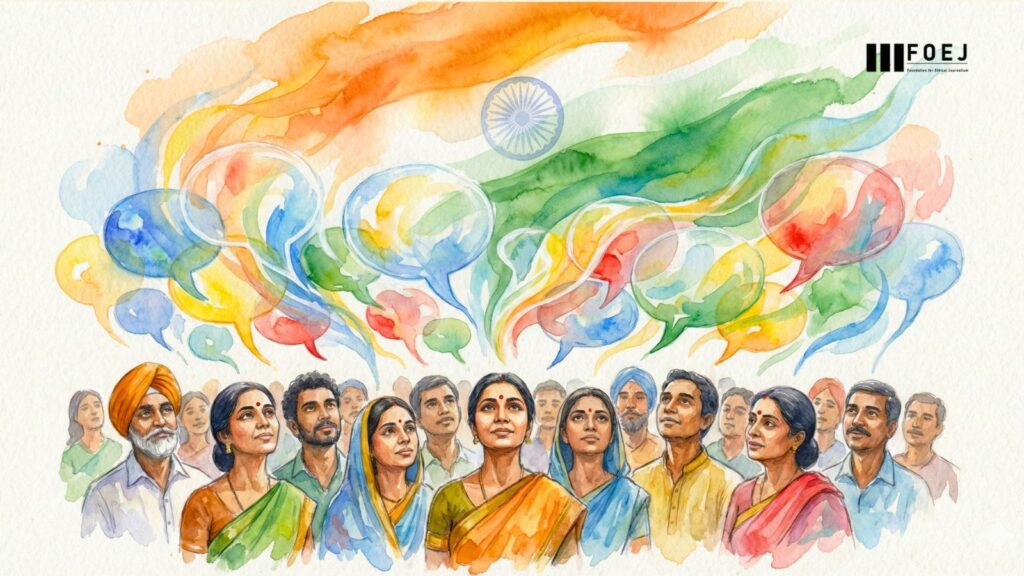
Patriotism Is Not a Competition:
For millions of ordinary Indians, this debate feels disconnected from everyday reality.
Patriotism is not a contest of words, volume, or symbolism. A citizen who says “Jai Hind” does not love the nation any less than one who says “Vande Mataram”. Love for a country is reflected in values, responsibility, honesty, and concern for fellow citizens, not in the compulsory use of a single phrase.
India’s Constitution guarantees every citizen the freedom to express their beliefs, traditions, and emotions, including how they articulate patriotism. The founders of the Republic did not envision a future where national loyalty would be measured by slogans chosen, or rejected, by political narratives.
Yet today, the slogan someone uses can invite suspicion, labelling, and public targeting, a trend that quietly erodes India’s long cherished principle of unity in diversity.
Selective Politics and Emotional Distractions:
Political observers often point out that divisive cultural debates are easier to sustain than discussions on governance.
Unemployment, inflation, agrarian distress, and women’s safety demand policy, accountability, and sustained effort. In contrast, emotional controversies around slogans and symbols require little more than repetition and outrage.
Slogans, when politicized, become tools, useful for distraction, but harmful to social cohesion.
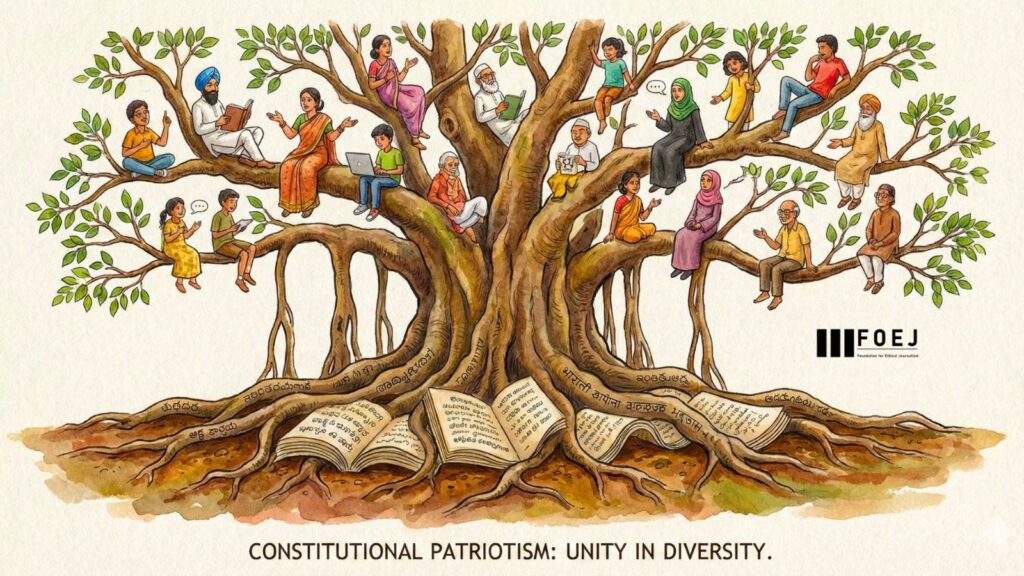
Understanding Vande Mataram Beyond One Line
Public debate rarely explores the full meaning of Vande Mataram itself.
The song does not merely praise the motherland, it presents a vision of India marked by prosperity, abundance, happiness, strength, peace, and dignity for all citizens.
Its speaks of green fields, shared well being, and equal opportunity. These ideals raise necessary questions. Do farmers today feel secure and prosperous? Do unemployed youth feel hopeful? Does the average citizen experience dignity and fairness?
If these ideals remain unfulfilled, then reducing Vande Mataram to a single compulsory chant risks contradicting its deeper message.
Values Speak Louder Than Slogans
Indian society has long understood that ethics and humanity transcend religious and cultural boundaries.
Allama Iqbal’s prayer “Lab Pe Aati Hai Dua Banke Tamanna Meri”, still sung in schools across the country, reflects this truth. It speaks of compassion, moral strength, and service to the weak, values that define good citizenship far more clearly than any slogan.

The poem reminds us that character matters more.
Language Changes, Love Does Not
A simple analogy helps put this debate into perspective.
A child may call their parents Dad, Papa, Abba, Appa, or Pitaji. The words differ, but the love remains unchanged.
Similarly, the expression of patriotism can vary across languages, cultures, and personal histories, without diminishing its sincerity.
If diversity in language is natural within families, why is diversity in national expression treated with suspicion?
Unity Was the Goal, Not Uniformity:
During the freedom struggle, India’s fighters raised different slogans, “Vande Mataram”, “Inquilab Zindabad”, “Hindustan Zindabad”, and “Jai Hind”.
Together, they fuelled one movement.
Any attempt today to impose a single slogan as mandatory patriotism risks undermining the very pluralism that shaped India’s independence.
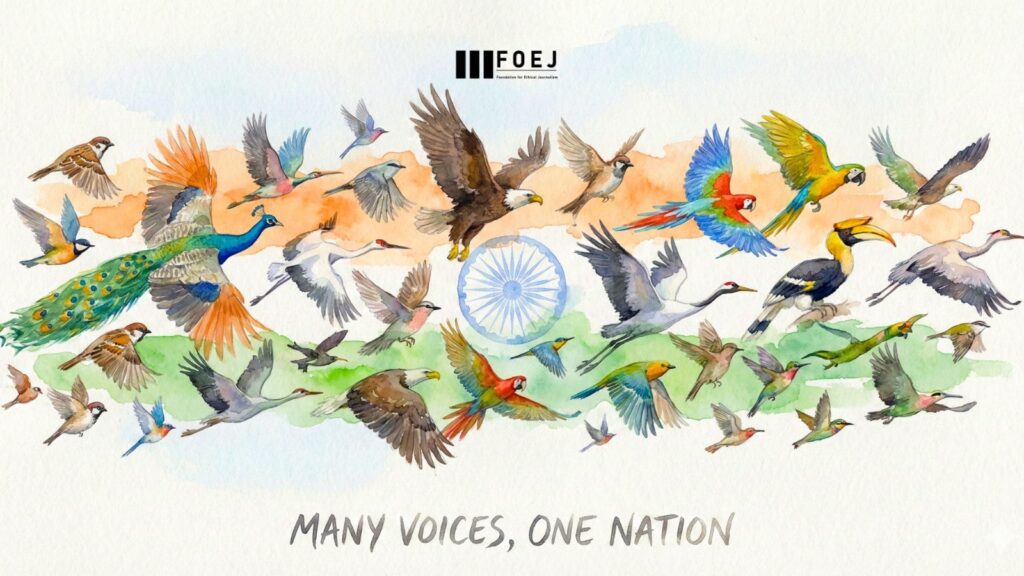
The Question That Matters
This moment calls for reflection.Is the current debate truly about love for the nation?
Or is it about controlling narratives?
Or diverting attention from pressing socio economic challenges?
A confident nation does not fear multiple expressions of loyalty.
A healthy democracy does not reduce patriotism to a single phrase.
India’s strength lies not in one slogan, but in the shared aspirations of its 1.4 billion people.
Different words, same sentiment, enduring love for the nation.
Disclaimer:
This article is written in an independent capacity, with the sole intention of encouraging thoughtful public discourse. It does not seek to offend any individual, community, religion, political party, or national symbol, nor does it question the dignity of the national anthem or national song. The objective is to reaffirm constitutional values and promote healthy democratic dialogue.


