


In today’s era of social media, where even minor issues quickly escalate into major controversies, an incident at a medical college in Vadodara has emerged as an eye-opener for society. This case teaches us that when we view religion through the lens of understanding and dialogue rather than conflict, even the most complex problems can be resolved.
The story began when a bright student from Kutch secured admission to a medical college in Vadodara. Deeply rooted in her religious traditions and values, she wished to pursue her studies wearing the hijab and niqab. However, citing the regulations of the Medical Council and academic discipline, the college administration expressed disagreement. The situation escalated to the point where the student decided to give up her dreams and her education. This was a matter of great concern for her father, as both his daughter’s future and her faith were at stake.
The foundation of any effective dialogue is laid when individuals possess a deep and clear understanding of their own beliefs and religious thoughts. In this case, too, it was crucial that instead of being adamant, one understands the fundamental principles of their faith and the practical flexibility it offers. If we are well-versed in the profound aspects of our own thoughts and beliefs, only then can we explain them logically to others. When our own knowledge is clear, dialogue is characterized by confidence and dignity rather than impulse.
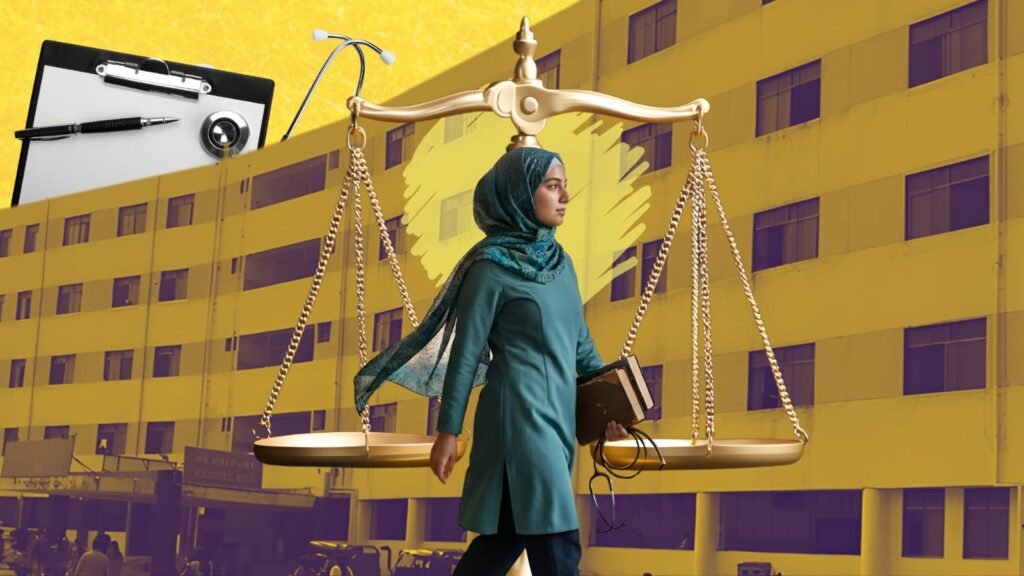
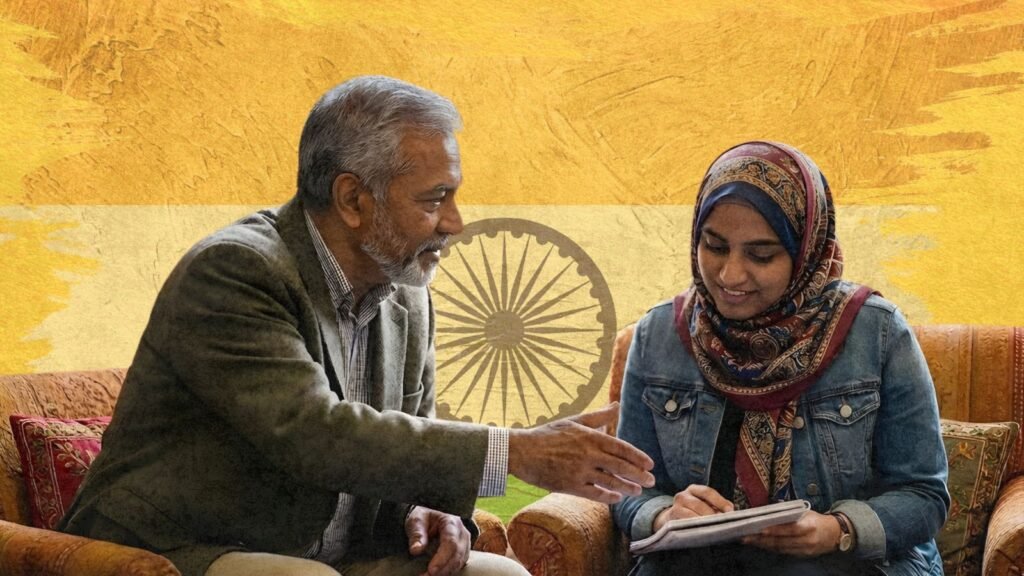
Instead of reacting emotionally by making videos viral or involving political leaders, the family sought the advice of experienced mentors. These mentors acted as a bridge between the student and the college administration with great patience. They first guided the student on the importance of education from a religious perspective and the wisdom and understanding provided by Islam in specific circumstances.
Subsequently, they held discussions with the college management and the principal in a very positive atmosphere. Without any friction, they presented the case regarding beliefs, women’s safety, and constitutional rights.
Upon seeing that the matter was being presented with logic and respect, the college administration also adopted a positive stance.
The misunderstandings between both parties were cleared, and the student was granted permission to continue her studies while maintaining her faith. This was not just a victory for one individual, but a victory for genuine dialogue.
Following this model, a hijab-related issue in another school was also resolved, clearing the path for other girls as well.
This incident provides a significant lesson for all of us.
Forwarding messages on social media or engaging in heated arguments often closes doors instead of finding solutions, and ultimately, it is the students who suffer. We need to understand that if we conduct ourselves in society with peace, love, and moral character, our relationships with others will improve, and the system will also support us. Sincere efforts to open paths, rather than closing them, are always successful.


