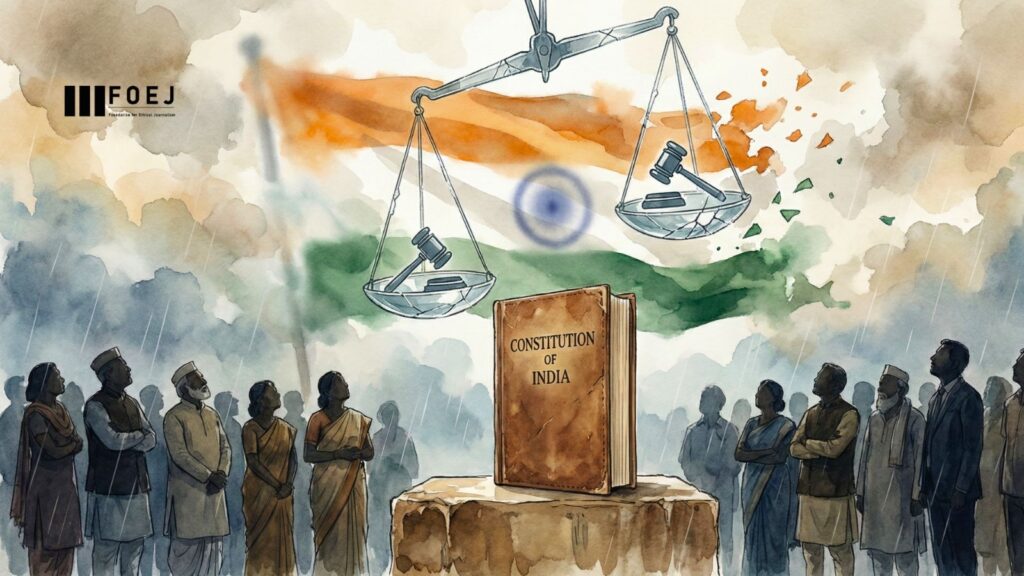
India has always stood apart as a civilisation that thrived not on uniformity, but on coexistence. Unity in diversity was never a hollow phrase, it was a lived reality shaped by centuries of shared history and strengthened by constitutional values, social balance, and moral consistency. However, a silent shift is now visible in public life. The nation appears to be drifting towards dual standardisation in law, public outrage, nationalism, and justice. If this drift is not recognised in time, the very idea of India risks being reduced from a shared constitutional promise to a selective privilege.
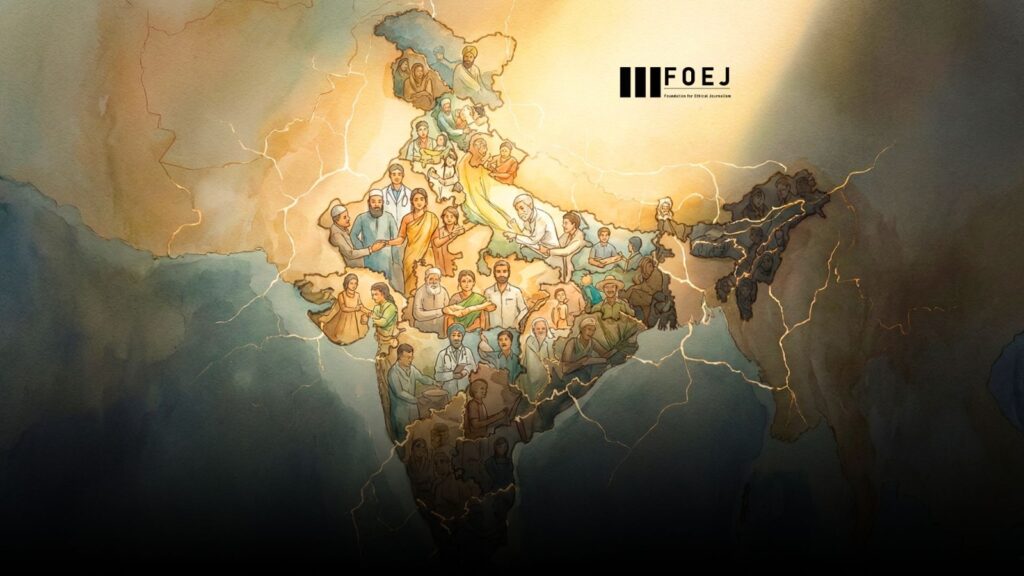
What disturbs the national conscience today is not disagreement, which is natural in a democracy, but inconsistency. Increasingly, the same actions are judged through different lenses. A speech is described as free expression when it aligns with a preferred ideology, and labeled hate speech when it challenges another. A protest is hailed as democratic resistance in one context, while being condemned as anti national in another. Similarly, a demand for rights is praised as rightful assertion for some, and dismissed as appeasement for others. When principles change based on identity or convenience, justice ceases to be justice and becomes a matter of selective application.
This inconsistency is most visible in the culture of selective outrage. Public anger today is often guided not by the seriousness of injustice, but by the identity of the victim or the accused. Statements that openly promote violence or social boycott have drawn sharply different responses depending on the political or religious alignment of the speaker. In some cases, swift arrests and condemnation follow, while in others, silence or quiet protection prevails. Similarly, the phenomenon popularly referred to as bulldozer justice has been projected as strong governance in certain instances, where demolitions take place overnight, while comparable violations elsewhere remain untouched for years. Student protests on university campuses are branded anti national in some institutions, yet similar expressions of dissent in other spaces are celebrated as democratic voices. Even narratives around communal violence often differ, with justice pursued aggressively in some cases, and blame subtly shifted or diluted in others, frequently influenced by political calculations.
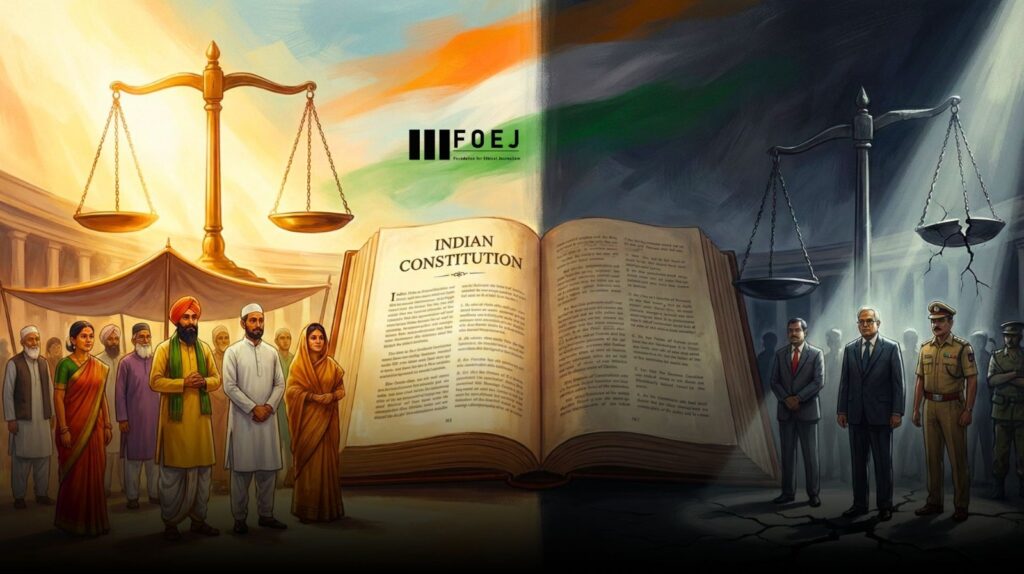
These are not isolated or fringe observations. They represent visible patterns that ordinary citizens can clearly recognise. The Constitution of India promises equality before the law, yet public perception increasingly suggests unequal accountability. Mob lynching cases have witnessed contrasting legal urgency and political reactions depending on the identity of the victims. Allegations of corruption have led to immediate resignations and moral outrage in certain political camps, while being dismissed as conspiracies in others. Religious sentiments are fiercely defended in some instances, while hurt sentiments elsewhere are brushed aside as overreaction. Such inconsistency does not strengthen the nation, it weakens public trust in institutions meant to protect fairness and justice.
At its core, the idea of India was never about proving who belongs more. It was about ensuring that no one belongs less. The freedom struggle, the Constitution, and democratic institutions were built on a simple yet powerful understanding that rights are not conditional and justice is not selective. However, contemporary discourse increasingly measures nationalism through slogans rather than conduct, and patriotism through obedience rather than conscience.
The impact of this environment is most evident on the younger generation. Young Indians are observing closely as they see one rule for the powerful and another for the ordinary, morality shifting with political convenience, and silence often being rewarded while questioning is punished. This does not create rebellion, it breeds cynicism. A cynical generation, detached from faith in institutions and fairness, poses a far greater threat to democracy than a questioning one.
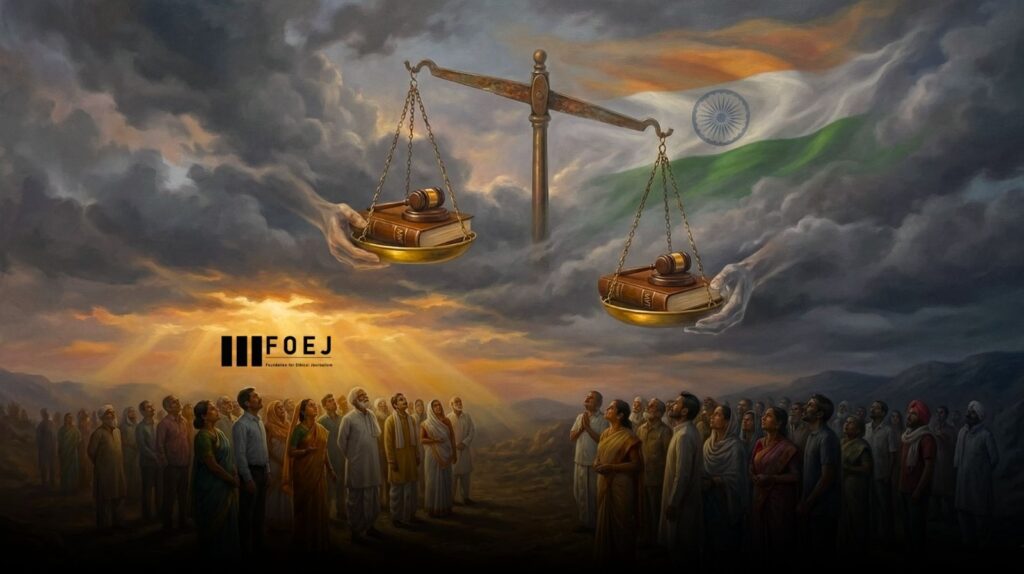
This reflection is not an accusation, nor is it a call for confrontation. It is a pause, an invitation to collectively reflect. Nations do not collapse overnight. They erode slowly, when double standards are accepted as normal, when injustice is tolerated because it does not affect us, and when silence is mistaken for stability.
Preserving the idea of India does not require citizens to abandon their beliefs or identities. It requires something far simpler, yet far more demanding, one moral standard for all, one definition of justice, and one Constitution above all loyalties. History offers a painful lesson, societies often realise what they were losing only when that loss becomes irreversible.
The idea of India does not need louder nationalism. It needs fairness, consistency, and moral courage. This is not an alarm bell, it is a reminder. The idea of India can still be preserved, but only if the dangers of dual standards are recognised before remembrance turns into regret.