


Eid al-Fitr, the festival marking the end of Ramadan, is celebrated with great enthusiasm and devotion across the glob, as millions of Muslims came together to break their month-long fast. The day is not only a time for festive gatherings and family reunions but also a moment for spiritual reflection and acts of charity.
A Spiritual Significance
Eid al-Fitr, which means “Festival of Breaking the Fast,” symbolizes gratitude, reflection, and spiritual growth. After a month of fasting from dawn to dusk, Eid is a time for Muslims to give thanks for the strength and discipline shown during Ramadan. It’s also an opportunity to seek forgiveness, reflect on personal development, and renew one’s commitment to faith and kindness.
Beyond personal reflection, Eid also carries a strong community focus. Muslims are encouraged to perform acts of charity, such as Zakat al-Fitr, which is distributed to the less fortunate before the start of the Eid prayers. This reinforces the festival’s emphasis on compassion and solidarity.
Unity in Celebration
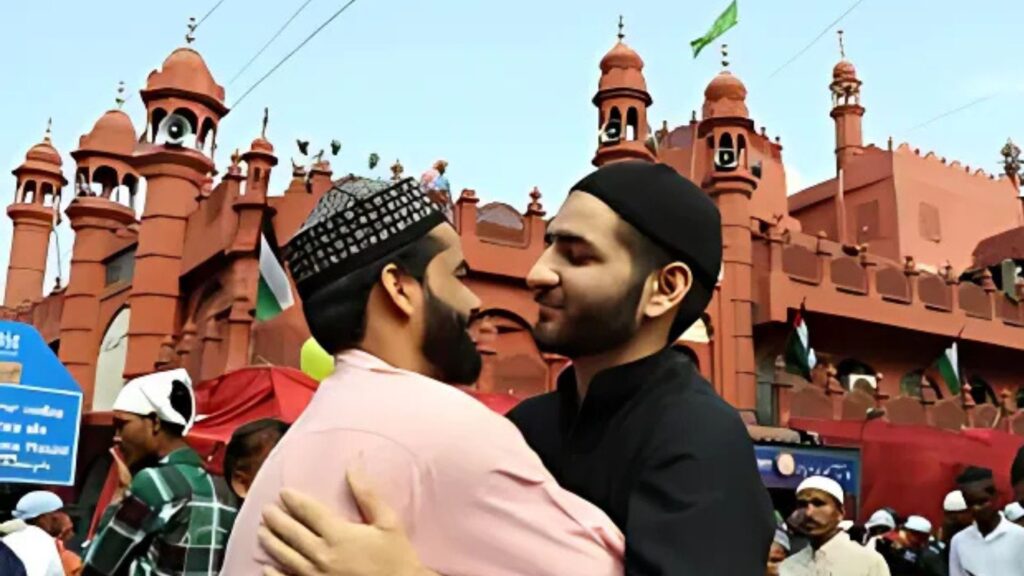
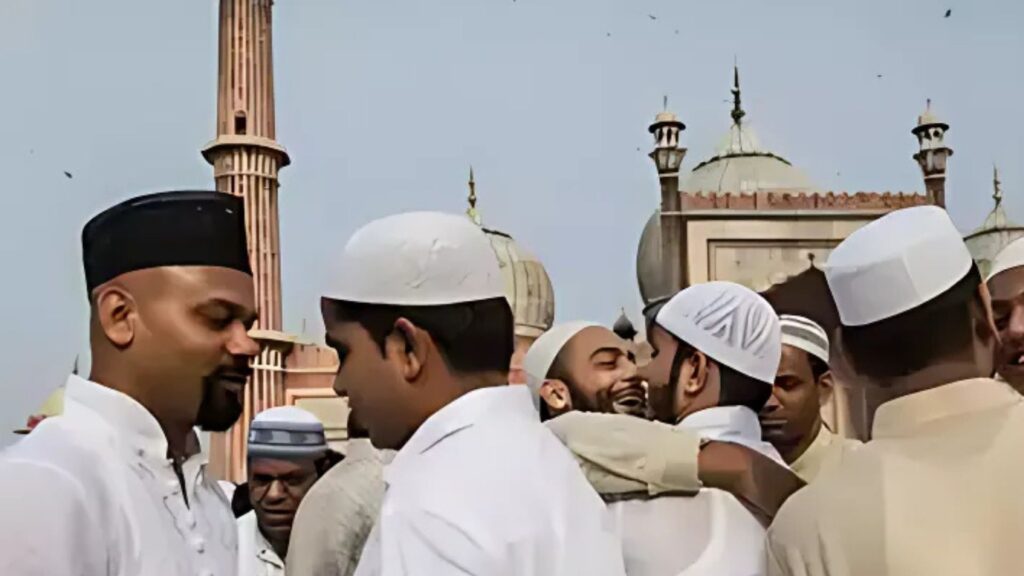
Eid is a unifying event for Muslims, transcending national borders and ethnicities. Across the world, communities gather for special prayers at mosques, open fields, and stadiums. The morning of Eid begins with communal prayers, followed by sermons focused on peace, unity, and goodwill.
In cities such as Mumbai, Delhi, and Lucknow, where Muslims make up a significant portion of the population, large crowds fill mosques and streets for prayers and celebrations. The festive atmosphere is further enhanced by the exchange of gifts, known as Eidi, and the sharing of festive meals, which often include traditional dishes like biryani, kebabs, and various sweets.
The Joy of Festivities
Eid is synonymous with joy and community spirit. Markets brims with shoppers purchasing festive clothing, sweets, and ingredients to prepare traditional dishes. The streets illuminated with lights, and homes are decorated with colorful banners and festive ornaments.
For many, the day starts with a hearty breakfast to break the fast, followed by visits to family members and friends. These exchanges of goodwill and generosity serve to strengthen bonds and create a sense of togetherness that extends beyond the immediate family circle.
Global Celebrations
Eid’s influence extends beyond the Muslim community, with people of different backgrounds joining in the celebrations. In multicultural cities around the world, non-Muslims take part in festivities, whether by sharing meals, learning about the significance of the holiday, or simply embracing the spirit of unity it promotes.
The global nature of Eid celebrations highlights the universal values of peace, respect, and community, bridging cultural gaps and fostering mutual understanding.
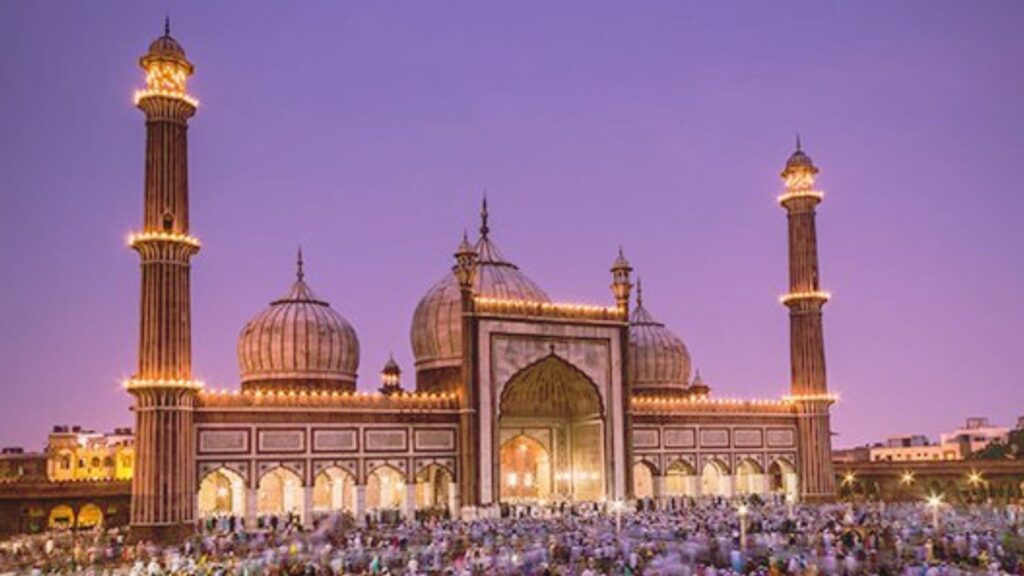
As the Eid celebrations continue, the focus remains on hope, renewal, and collective strength. After a challenging few years, this year’s festivities brought a renewed sense of optimism and togetherness. The holiday serves as a reminder to cherish moments of joy, extend kindness to others, and foster peace in an increasingly divided world.
For many, Eid is more than just a celebration—it’s a reaffirmation of faith, an embrace of community, and a call to action to make the world a better place through compassion and generosity.

