


They say bulldozers are built to tear down walls, but in today’s India, they come crashing into lives that still breathe and resist. A machine once used to clear roads now clears communities. It rolls into crowded neighbourhoods not with warning but with violence, not to restore order but to rip through dignity, and somehow, this is justified.
This isn’t demolition. This is a declaration. A declaration that some lives are dispensable, that some voices must be silenced, that some homes must be destroyed not because they are illegal, but because they belong to a particular community.
I remember standing before the United Nations Human Rights Council in Geneva two years ago. I had been invited to speak at the 16th session on forced evictions and demolitions. Back then, I spoke about human rights, due process, and state responsibility.
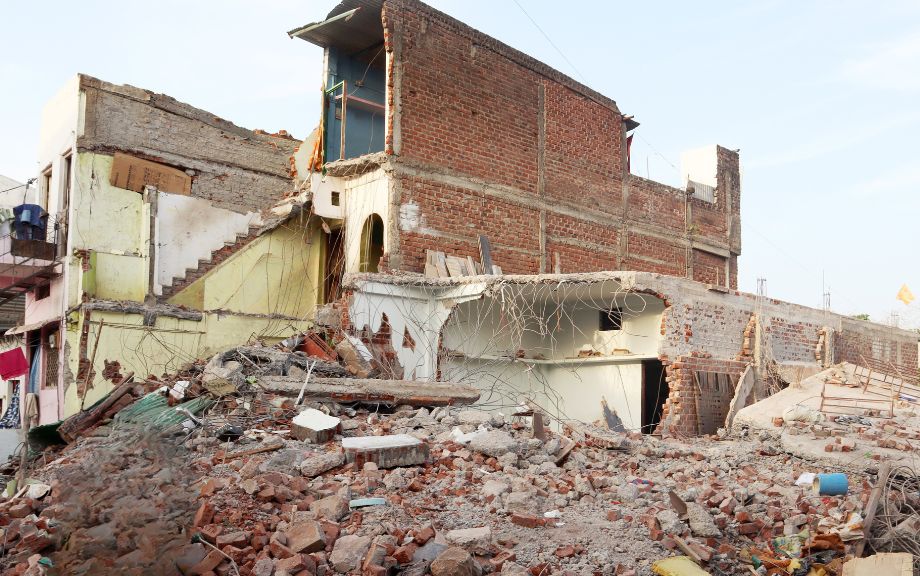
It’s been two years, and I still speak with the bitter experiences about what’s happening on the ground, which is far more sinister. These demolitions aren’t about buildings. They’re about belonging.
I’ve walked the alleys of Khargone and Sendhwa, places that made headlines; places that are ground zero for a new kind of justice, the bulldozer justice. One that doesn’t declare an emergency but enforces it street by street, home by home.
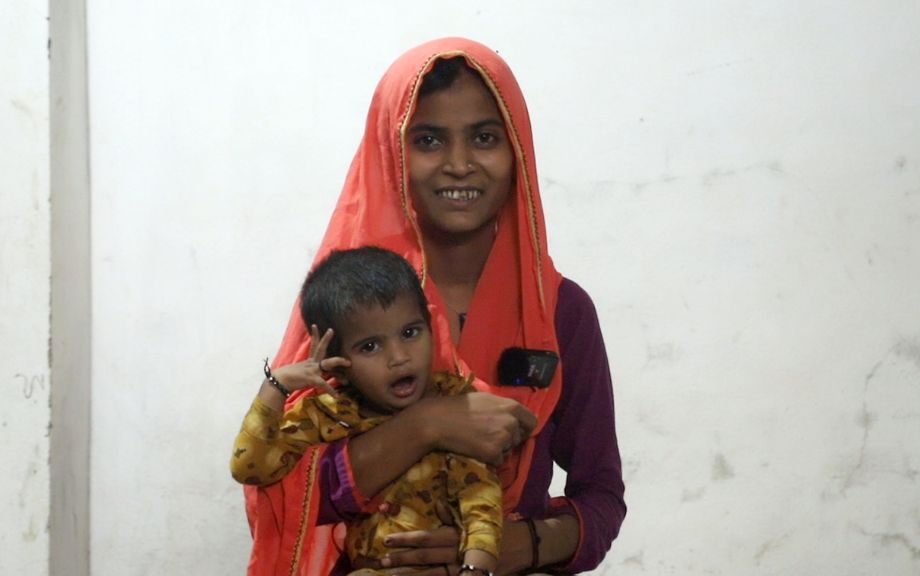
Under the burning sun of Khargone in 2022, I met Roshni Bi. Her house had just been demolished. She stood barefoot in the debris, holding the hands of her small children, who were crying for water. When she turned to the police and begged for water, they beat her so brutally that she lay unconscious for three hours. Her only crime was that she needed water after her life was torn apart.
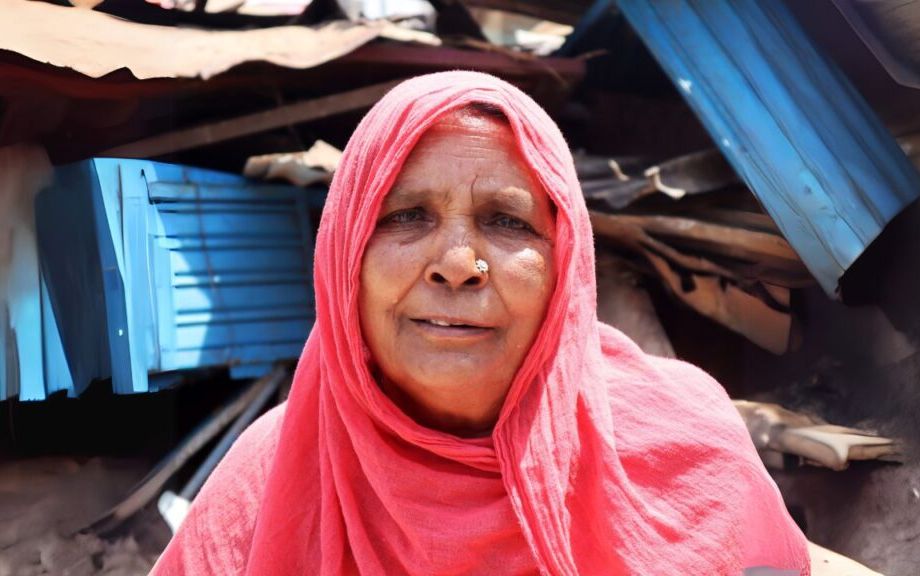
Later that same April, I traveled to Sendhwa. It was the holy month of Ramadan. In one neighborhood, I met 70-year-old Rashida Bi. She had been preparing for iftar when the bulldozer arrived. She begged the officials to let her take her Qur’an and her dates. Instead, they dragged her out by her arm. Her home, her prayer, her fast, her dignity, everything flattened in front of her eyes.
And then there’s the image that haunts me the most. A father described how his 17-year-old daughter was bathing when the bulldozer came. She wasn’t given time to even clothe herself. She was pulled out half-covered, half-screaming, and thrown into the chaos of the street. That family’s home was gone within minutes along with every ounce of their dignity.
Bulldozer is a message that says, You can be erased
We must stop pretending that these are isolated events or unfortunate mistakes. They are part of a deliberate pattern of targeted demolitions, mostly in Muslim-dominated areas, often following incidents of protest, unrest, or political tension. The bulldozer has become more than a machine. It is a symbol. A warning. A message. A message that says: You can be erased.
Let us be clear. These demolitions are not about illegal encroachments. Instead, it arrives where resistance once took place. It arrives where people dared to raise slogans, where they dared to hold on to identity, to faith, to land. It arrives as punishment, swift, cruel, and televised. It arrives not just to destroy a house but to humiliate people.
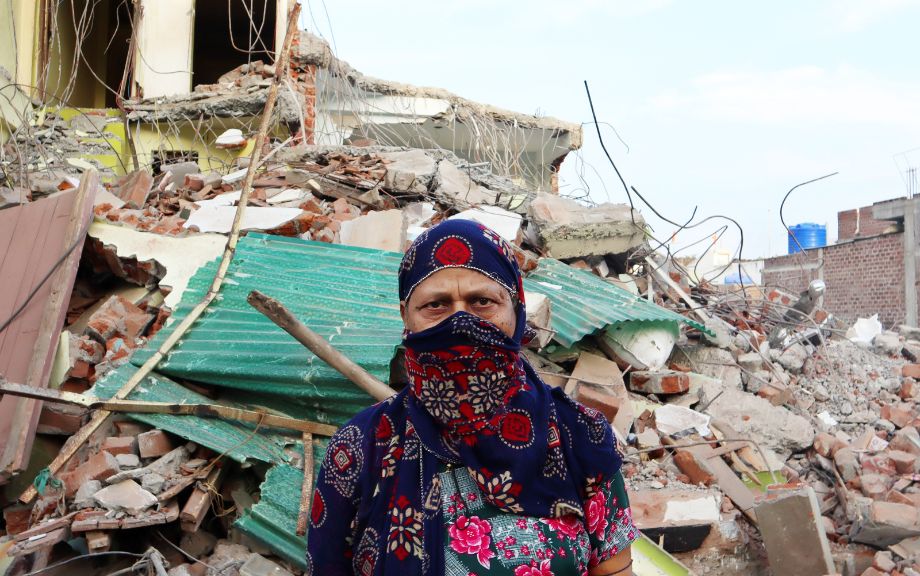
That’s why it is no longer enough to call these events “demolitions.” The word is too clean, too administrative. It hides the violence, the psychological trauma, and the sheer dehumanization that accompanies every falling wall. It doesn’t capture the sobs of children or the shame of women being dragged out without warning.
This is not demolition; this is desecration
This is not demolition; this is desecration of memory. Of modesty. Of trust. So, what do we do when the state comes with bulldozers? When do courts remain silent? When do television anchors cheer from studio windows?
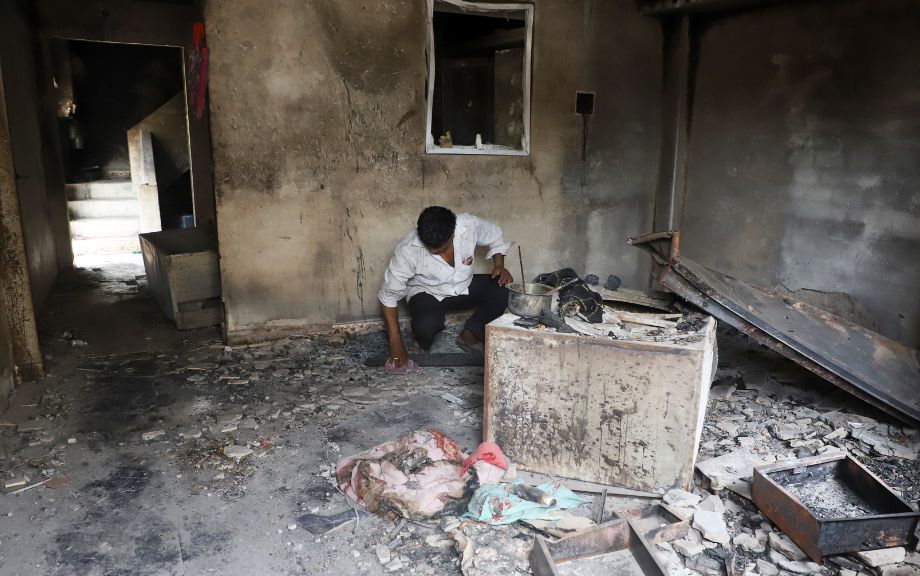
We remember one thing: that if they are tearing down our homes, they are trying to erase our place in this country. But our identity is not made of bricks. It is made of defiance. Of community. Of the ability to stand even when every foundation has been shaken.
The bulldozer may crush our walls, but it will never crush our will
No one is coming to fight this battle for us. We have to fight it ourselves. But let us be clear: we will not fight it in silence, nor in shame. We will not be victims in their narrative. We will be witnesses. And more importantly, we will be fighters.
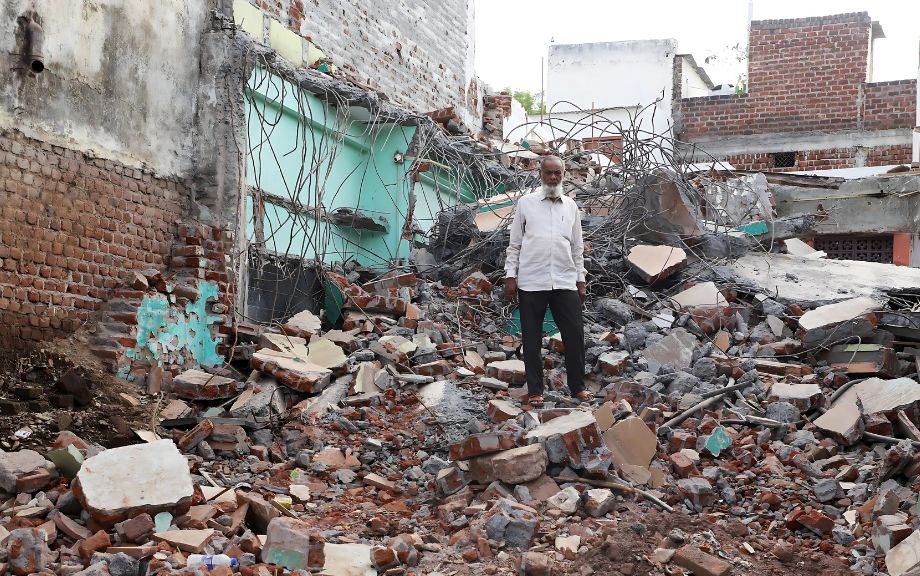
Fighters who will write, speak, document, and remember. Fighters who will refuse to be flattened by the state’s machinery. Fighters who will build not just new homes, but stronger solidarities. The bulldozer may crush our walls, but it will never crush our will. Let those who send them know: we will not bow. We will not break. And we will not forget. Because when you bulldoze a home, you think you’ve ended a story. But sometimes, you start a revolution instead.


