


Once again, during worship, Shia blood has been spilt; once again in the midst of Friday prayer; once again in a mosque. The Pakistani officials, once again, condemned the attack in repetitive and scripted language.
On Friday, February 6, a suicide bomb attack at the Khadija-tul Kubra Shia mosque in the capital city of Pakistan, Islamabad, killed more than 30 worshippers and wounded over 169, as reported in Pakistani media and international outlets.
In Pakistan, Shia killing, mostly reported during the holy month of Muharram, particularly on the day of Ashura, during the Juloos and Tazia processions, has nowadays extended to Friday prayer. This is not an isolated incident, rather part of a continuum of designed sectarian murder that the state agencies, too often, fail to prevent or to prosecute the perpetrators in a meaningful way.
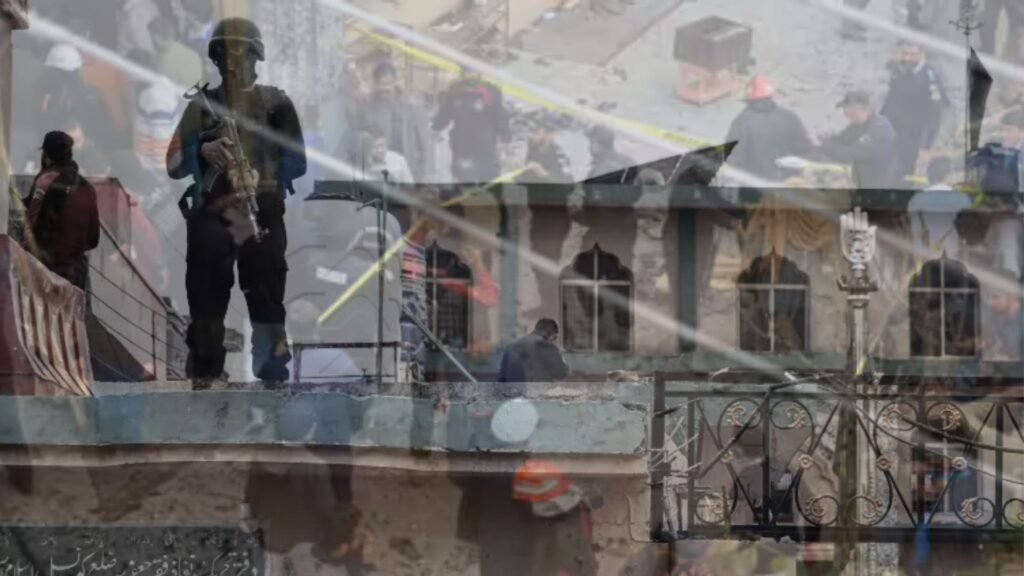
Shia constituting around 15% of the population in Pakistan, are a minority and are being constantly attacked, particularly in their places of worship, including Imambargah and other religious gathering venues. This makes them feel unsafe throughout the year.
During the Muharram, Juloos and Tazia processions, which are constitutionally guaranteed expressions of religious practice, even after the deployment of security measures by the government, Shia become deliberate, predictable, and soft targets. Security agencies, year after year, fail, and the cycle of bloodshed repeats. This, in turn, generates ambiguity between the state policy and citizens, and complicity by the state in the repeated lethal consequences.
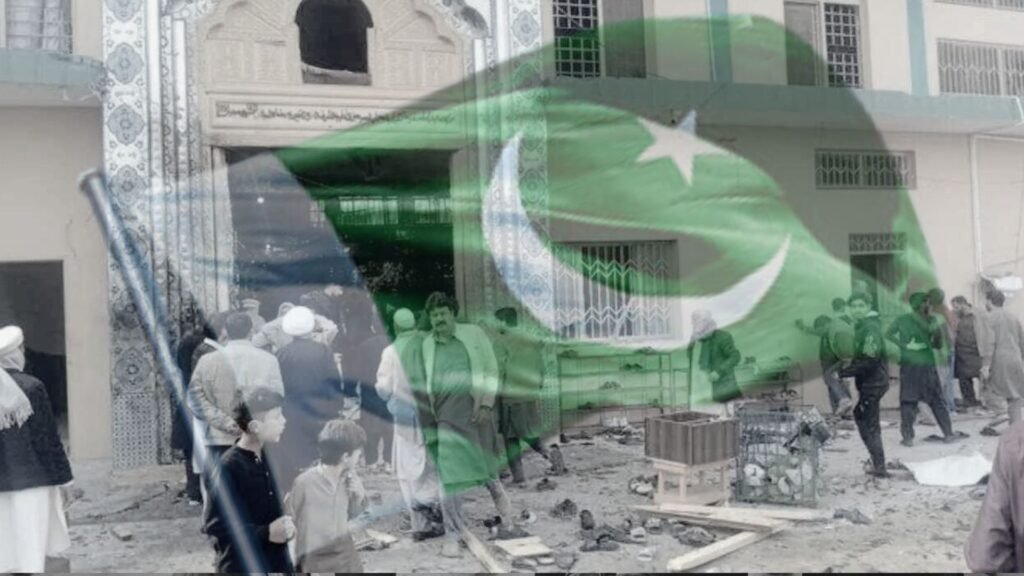
For decades, Human Rights activists have documented the pattern of the target. They noted a systematic attack on Shia religious gatherings, repeatedly and unequivocally criticising and questioning the government’s failure to dismantle the sectarian networks and the hate-mongers that operate with near impunity across Pakistan.
Hate speech and anti-Shia movements are openly inciting hatred and violence, yet they remain free under successive governments. Their ideological preachers, recruitment networks, and local facilitators also remain largely intact. The result, thus, is no peace, but another Shia target killing, another suicide bomb, and another mass funeral.
Such targeted killing traces its history from the Therhi massacre in 1963, the Gilgit massacre in 1988, the mass killing of Hazara Shias in Quetta, to ambushes on Shia convoys. The records suggest the decades-long history of state inability and unwillingness to protect the Shia community. Commission and inquiries are set up, but no sustained policy yet dismantled the machinery of sectarian violence in general and Shia Killing in particular. This shows that the government response is always cosmetic and never strategic.
In the wake of repeated failure, it has been claimed that Shia killings are local disputes or tribal tensions, which further blurs the truth and obscures the reality. Nevertheless, Shia are identified by their names, surnames, and religious identities, and then executed. Thus, it is neither a tribal clash nor a local dispute. When Imambargahs, mosques, and religious gatherings, irrespective of locations, are bombed, it is engineered unrest, not accidental violence. It is ideologically designed sectarian terrorism, and pretending otherwise is to evade accountability.
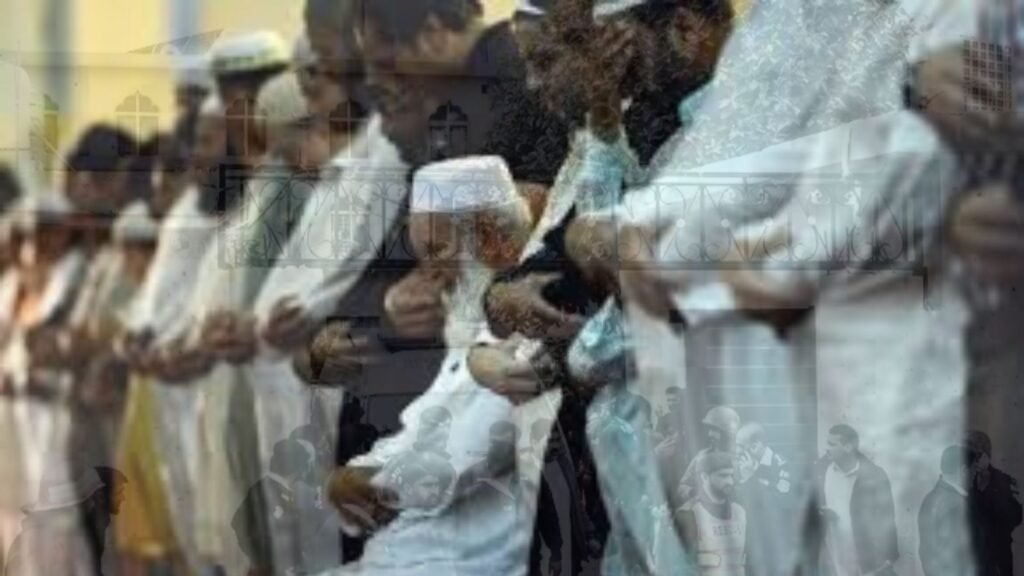
In the constitution of Pakistan, Article 20, ‘Freedom to profess religion and to manage religious institutions,’ states: “Every citizen shall have the right to profess, practice and propagate his religion; and every religious denomination and every sect thereof shall have the right to establish, maintain and manage its religious institutions,” This has become little more than a shallow promise. In practice, the Shia community across the state is under constant terrorist threat. On top of it, the tragedy of Karbala, for Pakistani Shia, brings not only mourning for the martyrs of Karbala, but also fear for their own lives.
Mere condemnation, thus, is no longer effective. Compensation packages and sympathetic phrases are no longer enough. Vows of stern action, now, have become ritualised and empty performances, hollow promises, and cynical substitutes for real justice. The continuum of Shia killings exposes the state’s moral and political complicity through sustained inaction. Unless the hate-preaching mechanisms are broken apart and perpetrators prosecuted meaningfully, Shia massacres will continue. The blood of innocent worshippers is not solely a tragedy; it is evidence. Evidence of the complicity of the state. To cut a long story short, the question is no longer why Shias are targeted; rather, why the Pakistani state does not take “stern action” against perpetrators.


