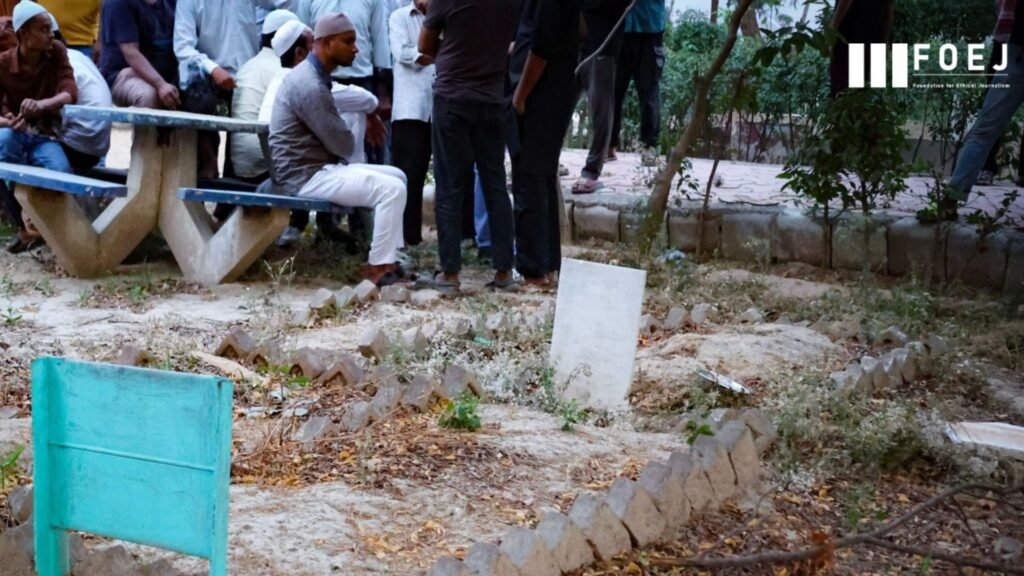



A gruesome incident unfolded on the evening of April 30, where a 16-year-old Muslim boy was stabbed to death, with his family alleging that he was deliberately targeted by a group of young men over a prior brawl he was not involved in. The deceased, identified as Ayan Saifi, was the only child of her mother who single-handedly took the onus of his care and nourishment.
The barbaric incident took place near a local park in Trilokpuri, an area dominated by the working-class locality in East Delhi that has witnessed tensions in the past. Saifi’s killing gave yet another jerk to the Muslim minority community.
According to the family, as many as seven men arrived at the park, surrounded Saifi and began attacking him with knives. Despite attempting to defend himself, Saifi was overpowered and suffered fatal injuries. Shortly after this, he was rushed to Lal Bahadur Shastri Hospital. The family further allege that he was kept in the emergency ward for approximately half an hour without receiving proper treatment.
After a delay, Saifi was referred to AIIMS for further treatment; however, he succumbed to his injuries the next day. The family claims that the attack was launched based on an Instagram post that Saifi uploaded with an individual who was reportedly associated with the conflict that involved a local person who is famous by the name “Chunnu Vakil.”
The family further reveals that while two suspects have been arrested, more than five were involved in the attack. To further investigate the case, I went to the ground, talked to families, and lived their pain. The aim of this photostory is to chronicle the pain my lens captured.
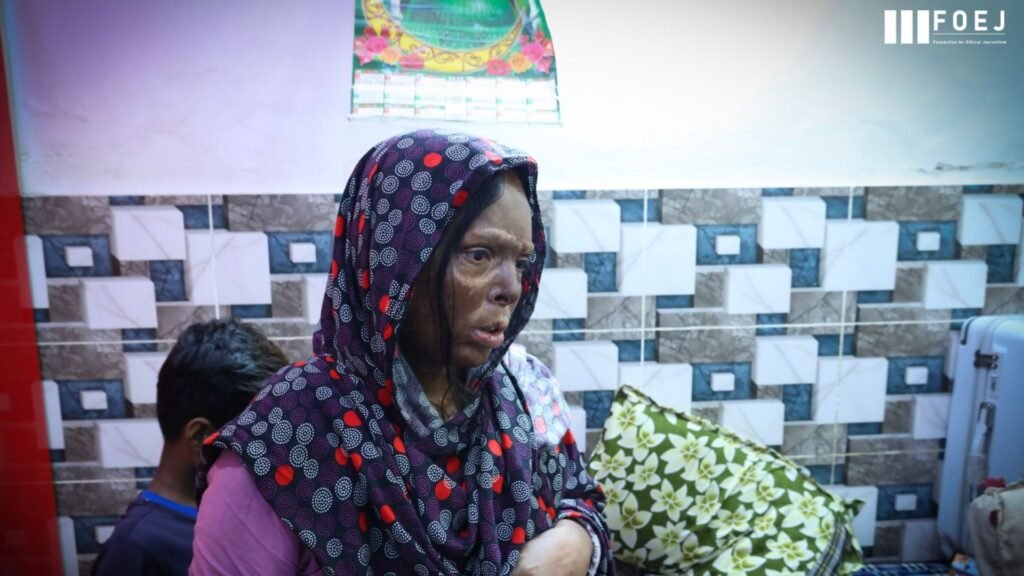
Meena Khatoon, grief-stricken mother of Ayan Saifi, is left alone with the pain of losing the only son she had. Khatoon, also an acid attack survivor, was abandoned by her husband long ago. Today, the perpetrators took away her son, the only reason she had endured living. “I want justice for my son; my son was innocent,” is what she says now, circling the sentence over and over again.
Khatoon has bid farewell to her son and has handed over the body to the male relative to bury him beneath the earth. A sea of males, some with skullcaps, others with naked heads, poured in to bury the lifeless body of Saifi.
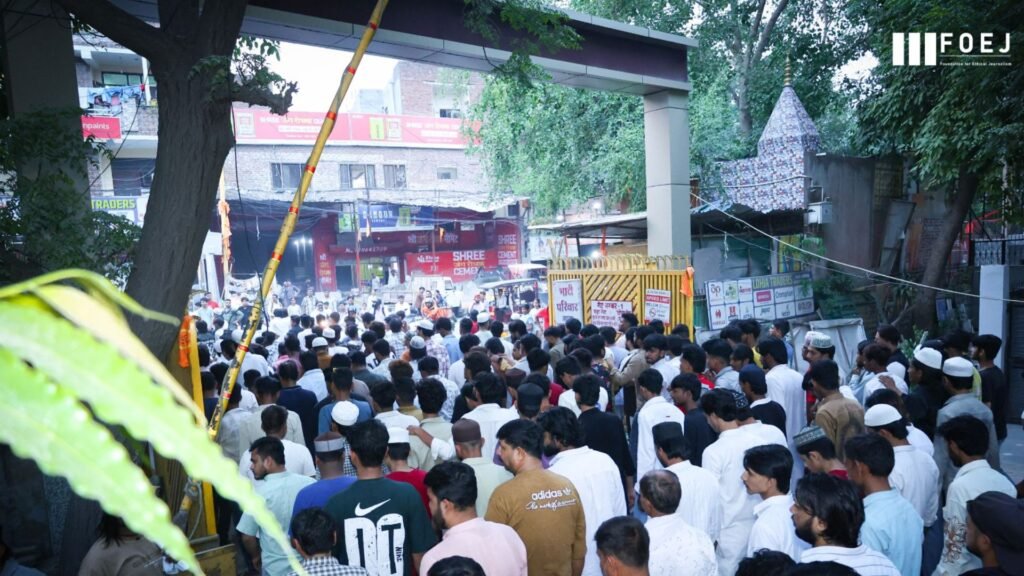
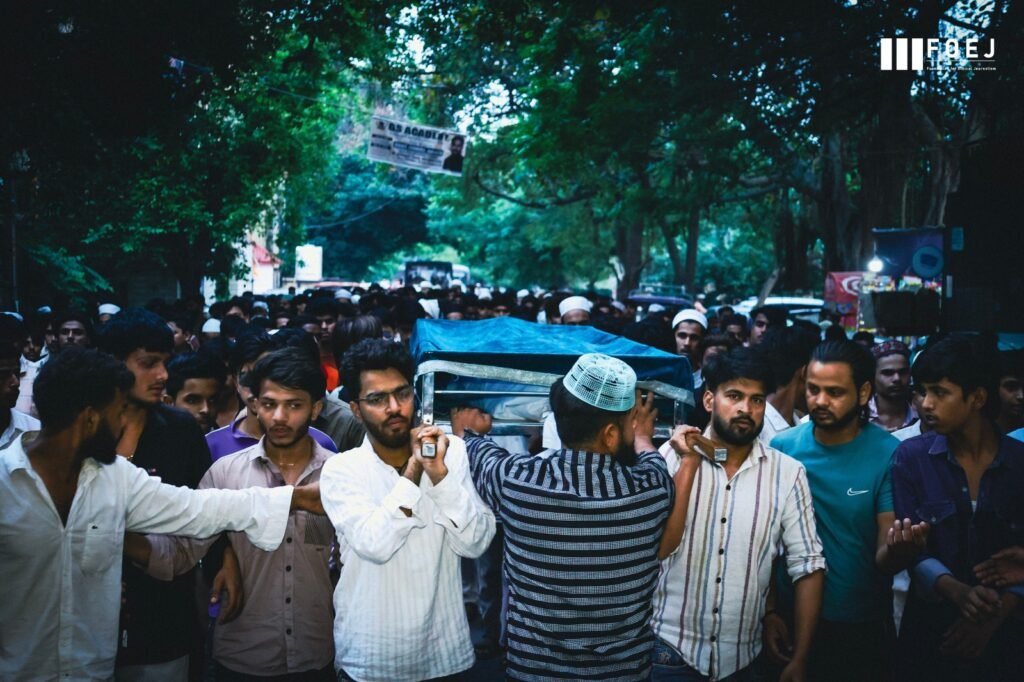
The crowd perform the last rites of saifi, put the body in a bier and lift it up on shoulders, taking to the graveyard.
One by one they come forward to give shoulder to the body, a profound act of respect, honour, and religious duty.
Soon the crowd reach the graveyard, ready to put the body inside the grave, with extreme care, on its right side, facing the Qibla (the direction of the Kaaba in Mecca).
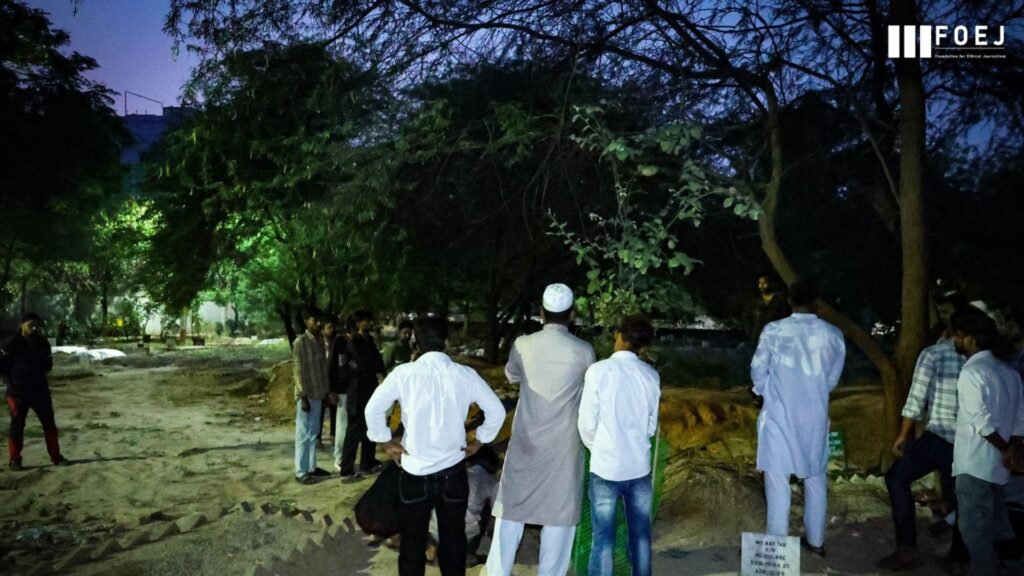
After a while, the grave has been covered with earth, and the males prayer for the departed soul.