



On a quiet evening, it is not difficult to imagine Mirza Ghalib, the grand master of Urdu poetry, leaning back in his Delhi home in the mid-1800s, scribbling verses by candlelight. His ghazals, drenched in longing and layered with metaphors, were meant for gatherings where poetry was recited aloud, savored, and debated.
Nearly two centuries later, in an entirely different world, Rupi Kaur sits in front of her phone, tapping out a few short lines in lowercase, pairing them with a sketch, and pressing “share.” Within minutes, millions of readers across continents consume her words in the infinite scroll of Instagram.Two poets. Two worlds. Yet the same question binds them: what does poetry mean to an audience shaped by its times?
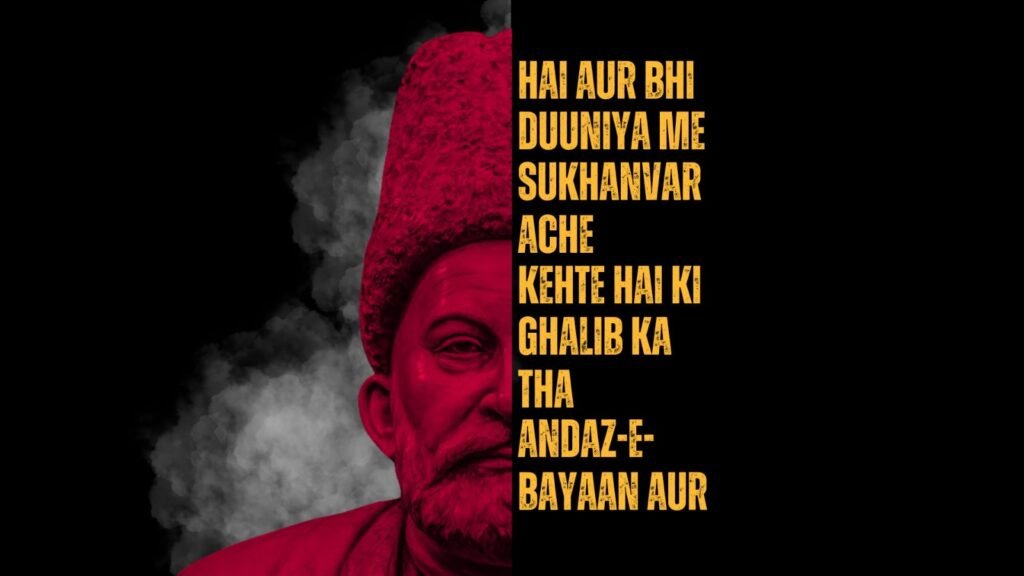
Rupi Kaur is Not Trying to be Ghalib!
“you tell me to quiet down cause my opinions make me less beautiful but i was not made with a fire in my belly so i could be put out i was not made with a lightness on my tongue so i could be easy to swallow i was made heavy half blade and half silk difficult to forget and not easy for the mind to follow”
― Rupi Kaur, Milk and Honey
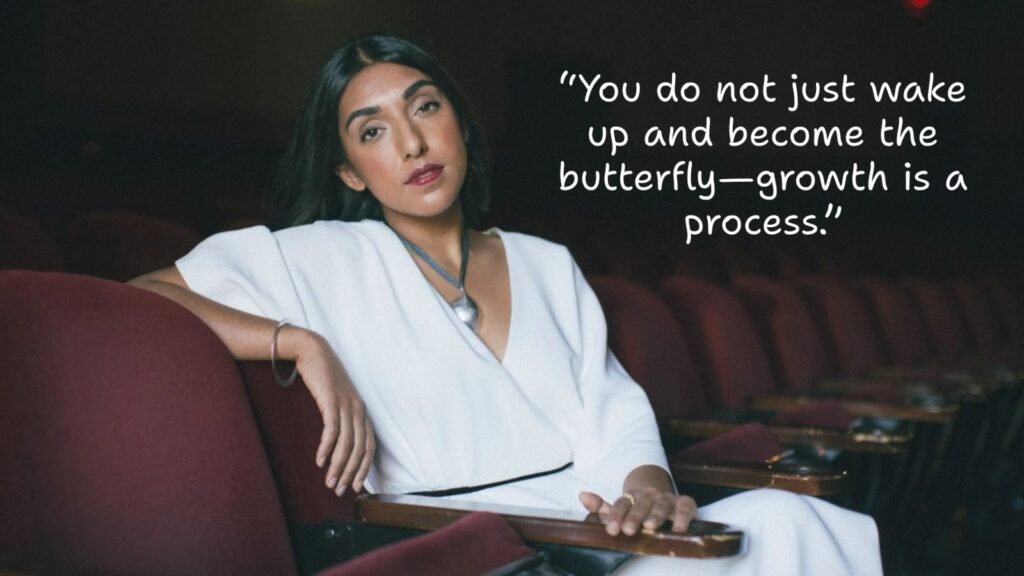
Born in Punjab and raised in Canada, Rupi Kaur burst onto the literary scene in 2014 with Milk and Honey. With themes of trauma, migration, love, femininity, and healing, her work resonated instantly with millions, particularly young women and immigrant readers.
Her style is minimalist: lowercase letters, sparse punctuation, plain diction. The simplicity is intentional; poetry stripped to its bones, making it accessible to anyone, anywhere. She pairs her words with sketches, ensuring her verses are visually digestible for Instagram’s fast-moving feed.
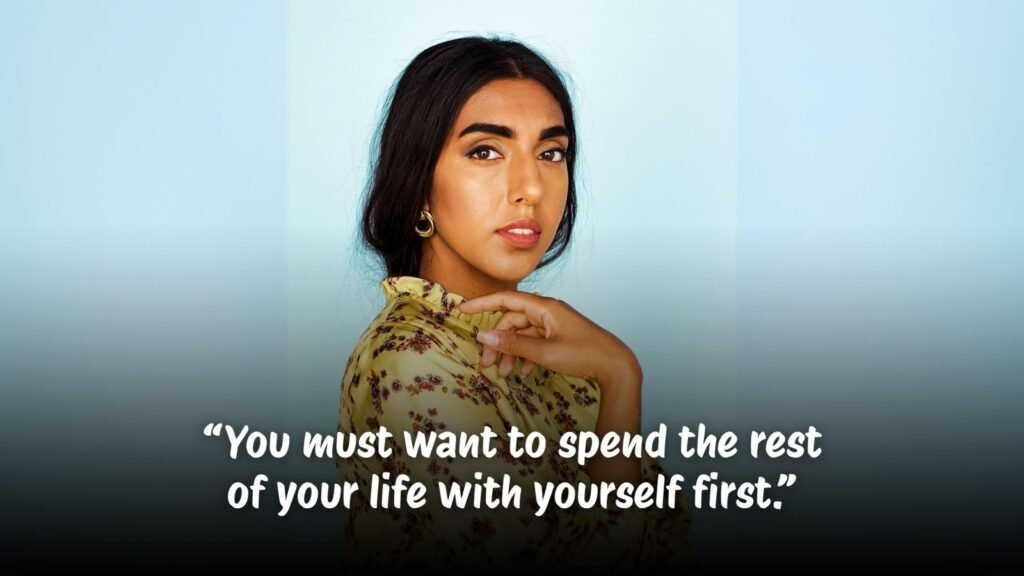
For her fans, Kaur represents a new wave of democratized poetry, no gatekeepers, no elite literary circles, no need for cultural or linguistic codes. For her critics, however, this accessibility comes at a cost. Detractors argue that her work is little more than affirmations, lacking complexity or literary craft. Yet the criticism misses a point: Rupi Kaur is not trying to be Ghalib. She is trying to reach a different audience; an audience that consumes poetry in seconds rather than hours.
The Timeless Ghalib
dil hī to hai na sañg-o-ḳhisht dard se bhar na ā.e kyuuñ
ro.eñge ham hazār baar koī hameñ satā.e kyuuñ
(It’s only a heart, not stone or brick—why shouldn’t it fill with pain?
We will weep a thousand times, why should anyone torment us?)
Mirza Ghalib, by contrast, lived in an India that was collapsing under colonial rule. Born in Agra in 1797 and later moving to Delhi, he witnessed the decline of the Mughal empire and the devastation of the 1857 rebellion. His poetry, written in Urdu and Persian, reflects this turbulent world, filled with unfulfilled longing, existential despair, and reflections on mortality.
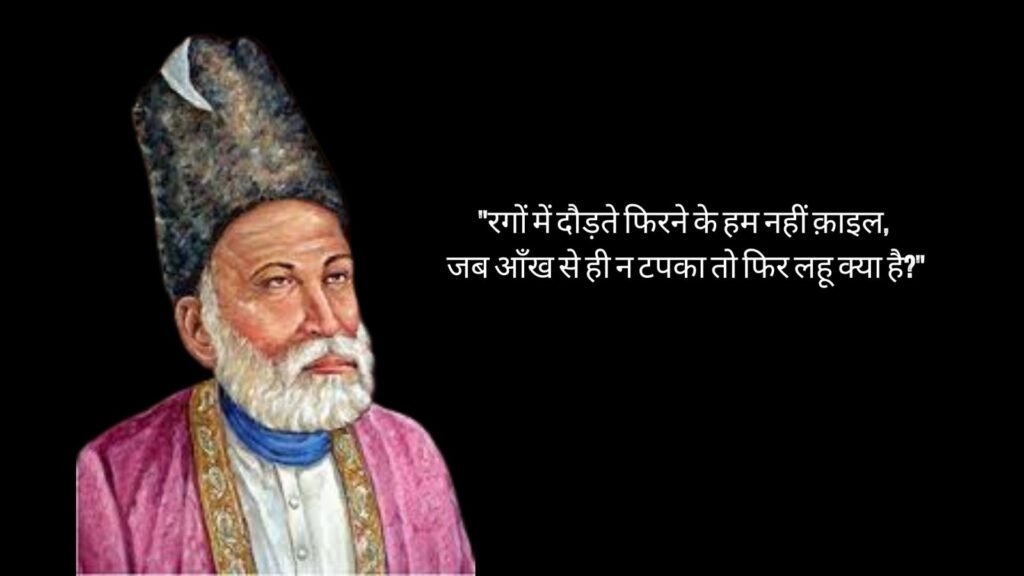
Ghalib’s ghazals are dense with metaphor.Beloveds, and taverns often appear, but beneath them lie deeper philosophical questions. His most famous couplet, still quoted today, captures the vastness of human desire:
Hazāroñ ḳhvāhishẽ aisī ki har ḳhvāhish pe dam nikle
Bahut nikle mire armān lekin phir bhī kam nikle
(Thousands of desires, each so intense it could take my life;
Many were fulfilled, yet countless still remain.)
His audience was not scrolling teenagers but Urdu literati, courtiers, nobles, and scholars, who debated his verses at mushairas. Ghalib’s poetry was elite in its language and style, but over time it seeped into everyday South Asian culture, quoted in Bollywood films, ghazal performances, and even political speeches.
Minimalism vs. Metaphor
The stylistic difference between the two poets could not be sharper.
Rupi Kaur
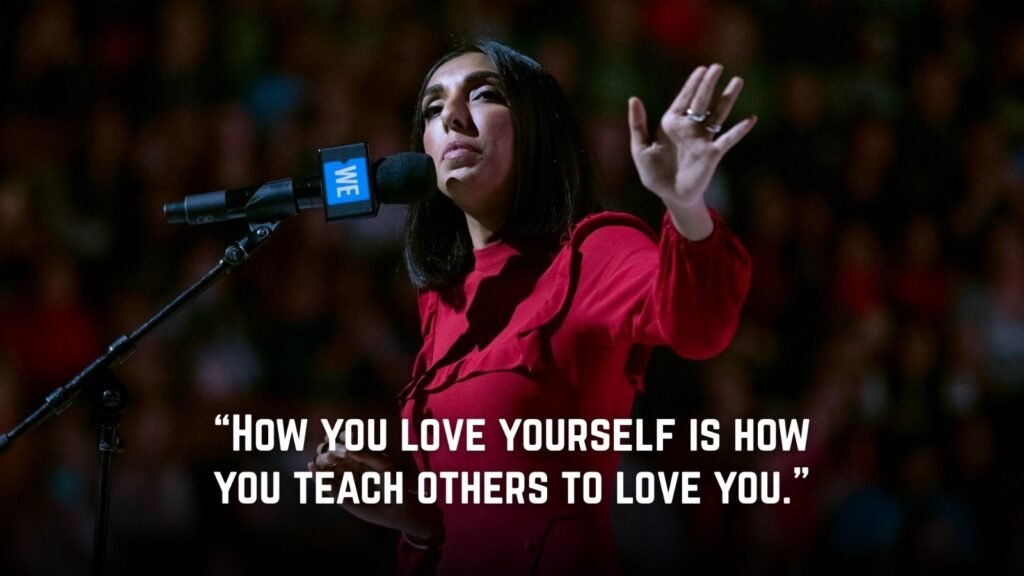
“you must want
to spend the rest of your life
with yourself first”
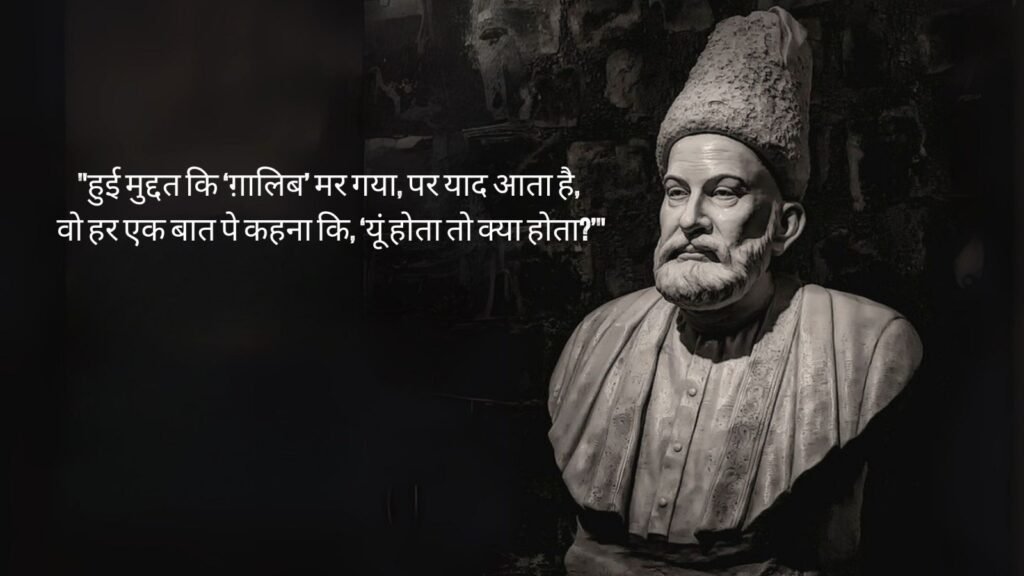
Mirza Ghalib:
“Hazāroñ ḳhvāhishẽ aisī ki har ḳhvāhish pe dam nikle
Bahut nikle mire armān lekin phir bhī kam nikle”
(Thousands of desires, each so intense it could take my life;
Many were fulfilled, yet countless still remain.)
Kaur’s verses are stripped down, almost skeletal. They hit quickly and leave their impact in seconds. Ghalib’s couplets, by contrast, are puzzles of language and metaphor, requiring patience, cultural familiarity, and reflection.
Poetry Still Finds a Way to Thrive
The distinction reflects not just style but audience. Kaur’s readers are young, global, and digitally connected. They scroll through Instagram looking for words that comfort, heal, and validate their feelings. Her poetry thrives in a world where attention spans are short, and accessibility is key.
Ghalib’s audience was the literati of Delhi and Lucknow, steeped in Persian and Urdu traditions. His ghazals were recited in mushairas where listeners debated their interpretations late into the night. His poetry belonged to an elite cultural circuit, yet, over time, it seeped into the bloodstream of South Asian culture, quoted by ordinary people in moments of love and loss.
Social and Political Contexts
Both poets are, in their own way, products of their historical moment.Rupi Kaur writes in an age of globalization, feminism, and digital media. Her poetry reflects the anxieties of a generation seeking healing from trauma, and empowerment in the face of patriarchy and migration.
Mirza Ghalib lived in an era of imperial collapse. His ghazals carry the weight of a crumbling world, weaving together personal grief with the political despair of colonial domination. Both, however, are bound by love as their central theme, whether it is Kaur’s healing love for the self or Ghalib’s aching, eternal longing for the beloved.
Praise and Criticism
Interestingly, both poets have faced criticisms in their times. Kaur is often dismissed for being “too simple,” accused of diluting poetry. Ghalib, in his lifetime, was considered “too complex,” his Persianized Urdu making him inaccessible to many ordinary readers. And yet, both have endured because they speak to something universal.
So, what connects Rupi Kaur’s bite-sized digital poems to Ghalib’s labyrinthine ghazals? Perhaps it is the same eternal pursuit: giving words to the unspoken corners of the human heart. Kaur’s readers find comfort in her simplicity; Ghalib’s admirers discover endless depths in his complexity. Both approaches are valid, both necessary. Poetry evolves with its times, but its purpose remains unchanged—to hold up the aspects of human longing, pain, and resilience.
If Ghalib were alive today, perhaps he would frown at the brevity of Instapoetry. But he might also smile at the fact that poetry still finds a way to thrive.