



Umar Khalid, Sharjeel Imam and the uneasy promise of Article 21 under the UAPA
The Supreme Court says Article 21 is a “continuing check” on detention without trial progress. After the Delhi High Court’s refusal of bail to Umar Khalid and Sharjeel Imam, what does a check do while it waits? Judgments explain the Constitution. Prisons test it. A right that sounds magnificent in a law report and means nothing in the sixth year of waiting is not yet a right. It is a promise with good prose.
On 30 September, a Delhi High Court bench of Justices Prathiba M. Singh and Dinesh Bhatt refused bail to Umar Khalid and Sharjeel Imam in FIR 59/2020, the “larger conspiracy” case arising from the February 2020 riots. The reasoning was brief and, on its own terms, hard to fault. On 5 January the Supreme Court had said the two could renew their pleas only after the protected witnesses were examined or a year had passed, whichever came first. Neither has happened. “This court is bound by judicial discipline,” the bench said, adding that granting bail would amount to modifying the Supreme Court’s order.
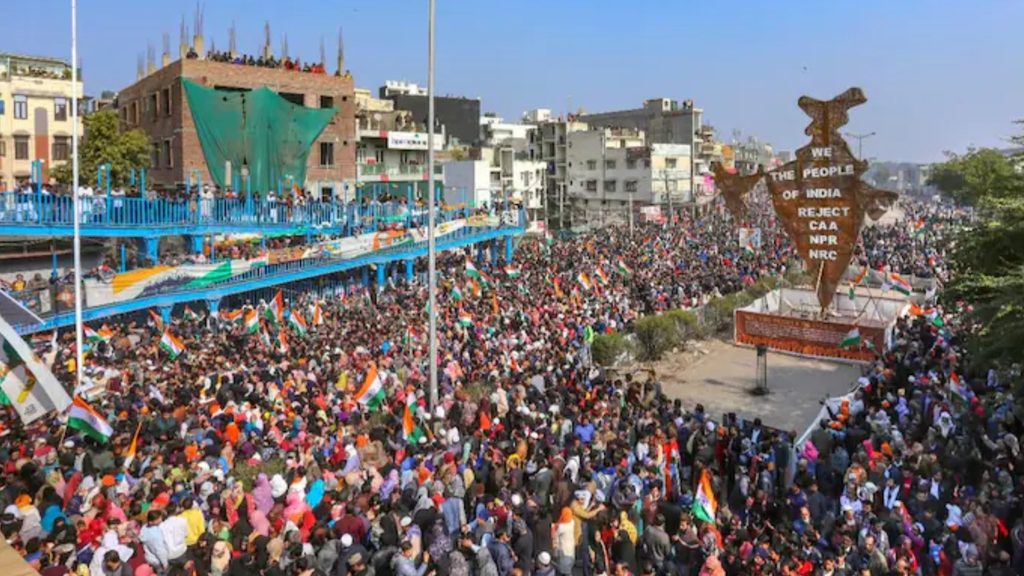
The arithmetic, stated carefully. Khalid was arrested on 13 September 2020. Imam has been in custody since 28 January 2020, first over his speeches, and was arrested in this FIR on 25 August 2020. The chargesheet dates from September 2020; charges have still not been framed. The High Court asked whether the two would wait until January to press their appeals. Their lawyers declined and asked for a decision. Delhi Police call them masterminds, and the Supreme Court, reading the prosecution’s material at face value as the statute requires, saw a “central and formative role”. None of it has been tested at trial.
Now read the Supreme Court’s own words in Gulfisha Fatima, the judgment that granted bail to five co-accused and refused it to Khalid and Imam. Prolonged incarceration, it said, is a matter of “serious constitutional concern”, though not the “sole determinant” of bail. Detention that a statute justifies still cannot continue without regard to the trial’s progress. And the one-year clause was offered as a way of ensuring that Article 21 “operates as a continuing check against continued incarceration” where the trial shows no substantial progress. Here my discomfort begins.
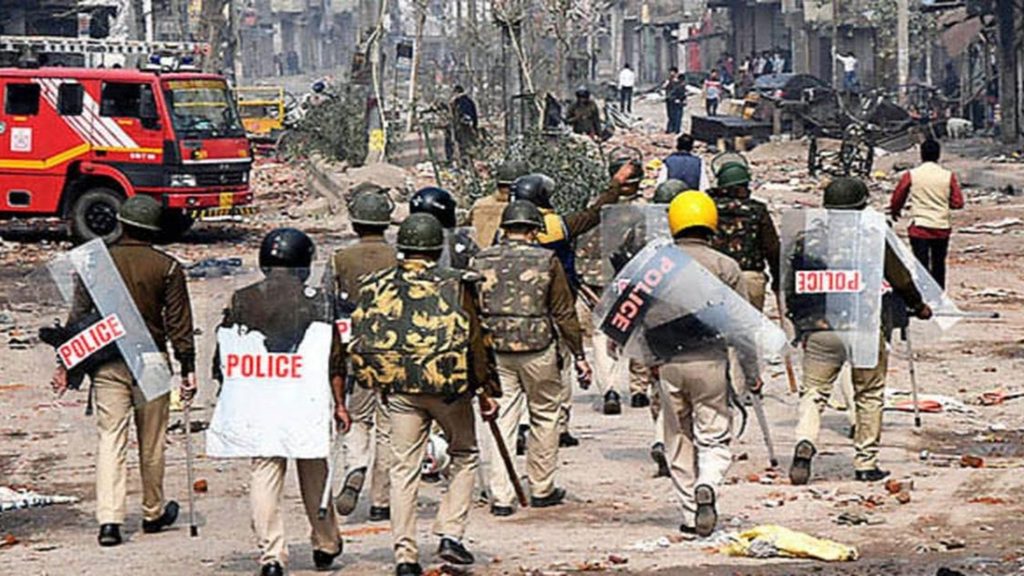
In K.A. Najeeb (2021), a three-judge bench held that Section 43D(5) of the UAPA does not strip constitutional courts of the power to grant bail when detention and delay offend Part III of the Constitution. The statutory rigour softens where no trial is in sight and a substantial part of the prescribed sentence has been served. Najeeb is not an automatic six-years-and-out rule, and nobody serious says it is.
The Supreme Court has said so repeatedly. Section 43D(5) is a real bar, and Article 21 does not turn every long-term detainee into a candidate for release.
On 18 May, in Syed Iftikhar Andrabi v. NIA, Justices B.V. Nagarathna and Ujjal Bhuyan granted bail to a man held since June 2020, recorded “serious reservations” about Gulfisha, including its direction shutting the door on fresh bail pleas for a year, and warned against “hollowing out” Najeeb.
They did not overrule Gulfisha, and as a coordinate bench could not. Four days later Justices Aravind Kumar and P.B. Varale, the first of whom wrote Gulfisha, replied that coordinate benches should not trade counter-observations, referred the question to a larger bench, and granted Tasleem Ahmed and Khalid Saifi six months’ interim bail, noting that they “cannot be made to suffer continued incarceration” merely because a legal question awaits settlement.
Since May, then, three benches have invoked judicial discipline, each meaning something different. For the High Court it means obeying a case-specific direction, which is not law declared but an order that only the Supreme Court can alter. For Andrabi it means following a three-judge ratio. For the 22 May bench it means referring to a doubt rather than airing it. Each is right on its own terms. I do not treat discipline as an excuse; a High Court cannot rewrite a Supreme Court order, and a judiciary in which it could would be worse for everyone, the powerless most of all. But discipline can harden.
Sixteen days before the Khalid and Imam ruling, another Delhi High Court bench granted bail to Mohammad Saqib after more than seven and a half years in custody, holding that a pending reference to a larger bench is no reason to wait. High Courts must decide on the law as it stands. Same court, same statute, same month. The difference was a direction attached to two names.
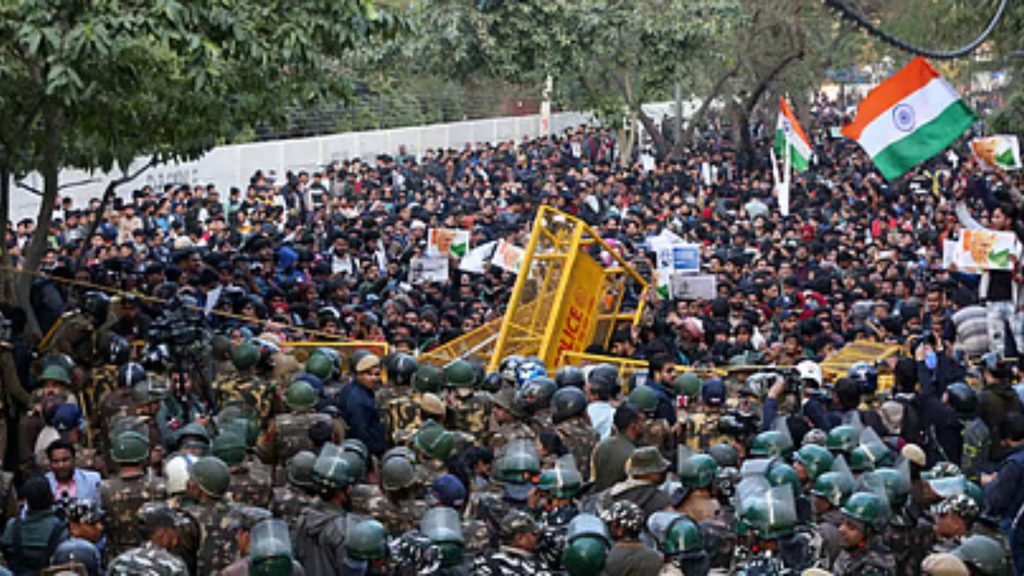
That direction is the real subject. “Whichever is earlier” sounds like a safeguard until you ask who sets the clock. The first trigger depends on how quickly the prosecution leads its protected witnesses, which with charges unframed looks distant. The second is a date on a calendar. A check that fires on a schedule fixed in advance is periodic, not continuing.
Andrabi warned elsewhere that when the State need clear only a low prima facie bar while a trial runs for years, pre-trial custody takes on a “post-trial punitive character”. And a waiting period has a predictable effect: on 4 July the trial court held the bail applications not maintainable, and on 30 September the High Court found no fault in that.
The courts’ answer to “why them and not the others?” is role. Khalid and Imam, the Supreme Court said, stand on a “qualitatively different footing”. The High Court said the roles of Saifi and Tasleem differ from theirs, so parity cannot be claimed, and Delhi Police reportedly did not even oppose bail for those two, calling them not the main players.
I accept that roles differ; criminal law does not demand identical outcomes merely because allegations arise from one transaction. But watch what “role” does at the bail stage. The prosecution’s material is read at face value, so the graver the role alleged, the higher the bar, and the less the passage of time seems to count. The more serious the accusation, the longer liberty waits. Andrabi put it the other way round: the more serious the accusations, the speedier the trial should be. Six years is not a procedural interval. Time should count for more with each month, not less. Delay has many authors, and courts have at times faulted the defence for part of it. But when a chargesheet filed in September 2020 has not yet produced a charge, a citizen is entitled to ask who is keeping the clock.
Then comes the question many readers will ask whether or not I do. Does the promise of personal liberty move with the same urgency when the accused are unpopular, dissenting, or Muslim? The question is not whether a Muslim accused deserves special treatment. The Constitution demands the opposite, the same protection regardless of religion, and that is exactly why consistency matters. If the vocabulary of speedy trial expands in some cases and contracts in others, citizens are entitled to ask why.
I looked for such a pattern in the orders and cannot honestly say I found it. The Supreme Court wrote that its method “does not proceed on identity, ideology, belief, or association”. The same FIR has produced releases, among them co-accused who are Muslim too. The Delhi High Court granted bail to the rights defender Khurram Parvez in June after four and a half years, reasoning from Article 21. A column alleging bias on this record would be inventing a case, and I make none. My complaint is about an institution’s consistency, not any judge’s motives.
What the record does show is narrower, and to me more troubling. Relief under Najeeb has come, however late, where the alleged role is peripheral or the evidence thin, and in this FIR at least has been held back where the alleged role is symbolic, ideological and visible. Two of the best-known faces of the anti-CAA protests remain in custody. That may be coincidence of roles. It may be the pull of a political moment on institutions that insist they are immune to it. Repeating the word “role” cannot settle that. Data could: who receives Najeeb relief, after how many years, by role, statute and community. I could find no study that has compiled it, and that gap is part of the problem.
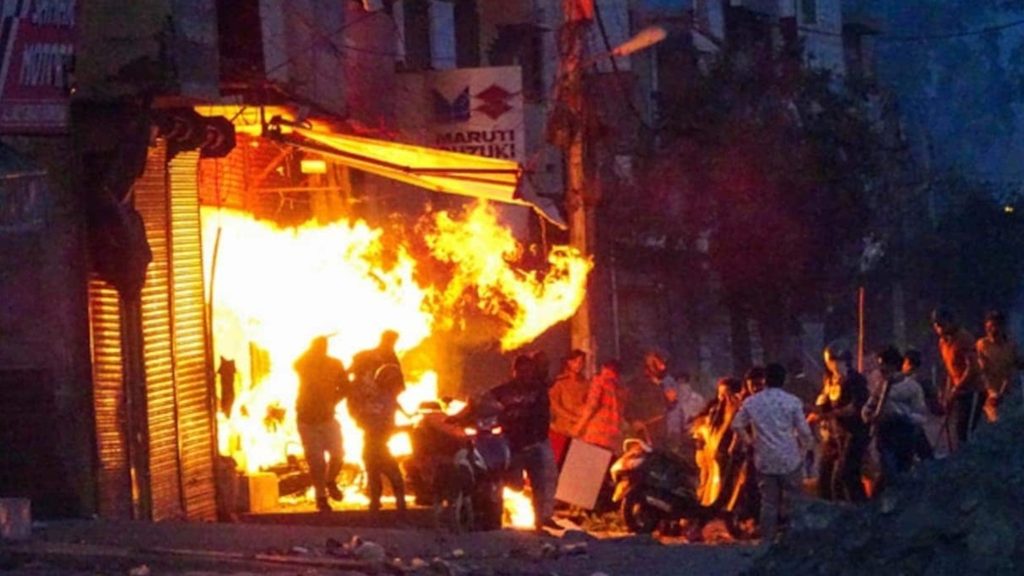
Two men have waited more than six years for a court to say what the case against them is worth, and the Constitution’s answer, for now, is a date in January. Bail is not acquittal, and its refusal is not a finding of guilt. But if Article 21 is a continuing check, it has to check something in the long stretch between the day it is announced and the day it is invoked.
The Constitution does not reserve liberty for the sympathetic, who seldom need it. It promises it to the unpopular, the controversial and the hard to defend, or it promises nothing worth having. A larger bench will eventually tell us what Najeeb means. The question left for the rest of us is simpler: how long must constitutional liberty wait?
(Author’s full name is Zahid Reza)