



As news of Assam floods made rounds on the internet, revealing the horrific visuals of the disaster, Miles2Smile packed the relief bags and turned its winds towards Assam, a state of hills once known for its beauty and now associated with deadly floods. On the 1st of August, the team commenced its journey in the wee hours, not knowing when they would come back or if they would even come back.
As the team took the flight towards Guwahati, the hopes swelled up too. The images of people pleading for help in their minds were replaced with faces of jubilation, hearts and hands with relief supplies, leading towards normalcy.
With hopes in their mind and soul ready to wade through every challenge, the team reached Guwahati in the morning of August 1, from where they took a cab to Sivasagar, the historic town of upper Assam. This upper town is approximately a 7-hour car drive from Guwahati, but the rain made it 12 hours, making us reach Shivsagar at 11:00 PM at night.
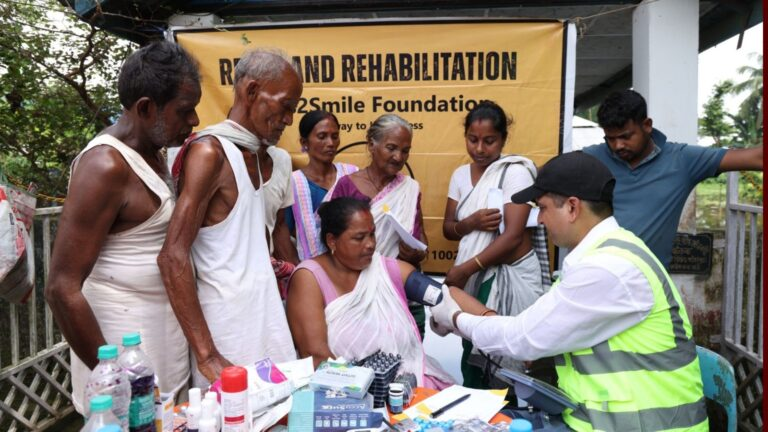
Accompanied by the locals, the team moved in the internals of Shivsagar with rain adding to the peril and reached Ramu Gaon. Remnants of the house and a heavy, suffocating smell of a mix of damp earth and raw sewage choked them, but it could not stop them. As soon as the team reached the devastated spot, it started the survey work. The stories of people wrecked their hearts and crushed them into pieces, which they tried to glue but failed.
As the night was spent in listening to stories and collecting data, the morning was dedicated to relief. The one spark of sunlight represented the long-waiting hope, and the team tucked in the medical camp. The Ramu Gaon was devastated; people were injured, and their homes were washed away. This medical camp shone a silver lining. As many as 110 people stood in the queue with broken limbs, infected skin, and bodies soaked in fever. Under the supervision of a medical professional, the survivors were treated and their promise was fulfilled with new ones taking birth.
The camp was removed only to be tucked in other parts of Assam—the next one being Nepali Khuti, the Assam Village Left in Ruins by the Worst Flood in Half a Century. The path was difficult, but it was a light the dawn was willing to answer.
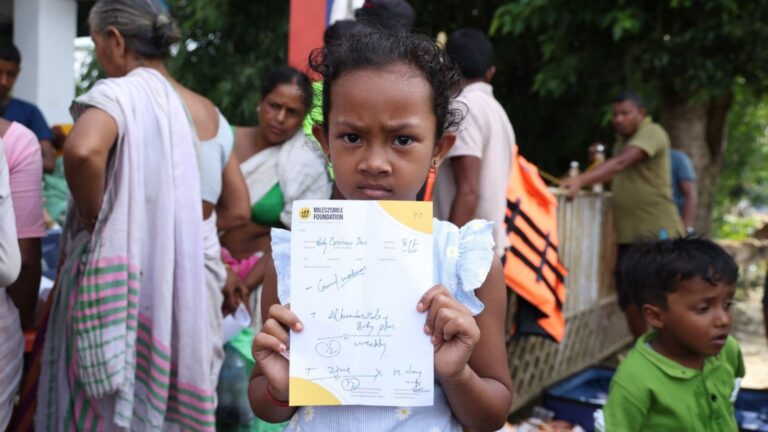
On the 3rd of August Miles2Smile reached Nepali Khuti, with the same pungent, choking smell and the same devastated home, trees uprooted, lives devastated. By now they were able to arrange a local ambulance for their work, which snowballed their relief initiatives, but the devastation was swelling too.
The Ramu Goan medical camp helped us gauge the suffering; hence, what Nepali Khuti demonstrated to us was already deciphered.
The floodwaters receded, but the struggle was lingering, with the threat of diseases compounding the challenges. However, amidst these challenges, the medical camp made people speak the language of gratitude, taking the team to their next destination— Muliyaghata.
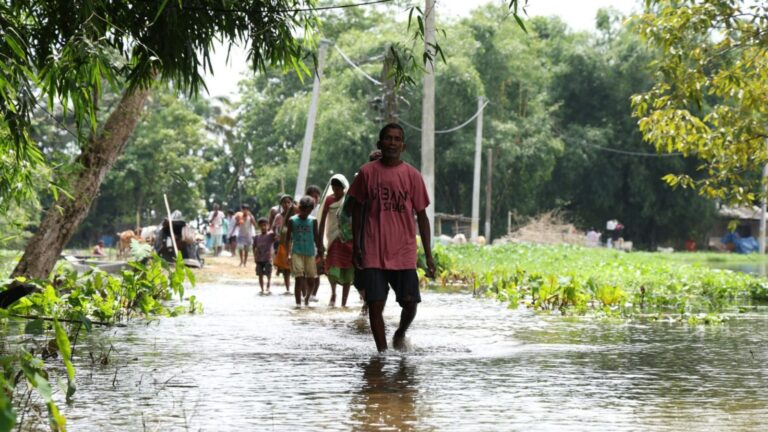
The way towards Muliyaghata was the most challenging; floodwater was still there. Taking a cab or ambulance was the risk the team could not afford. While they were battling with emotional turmoil, the news of a lady stuck in mud surfaced.
On our way they met the SDRF team, which boarded them on electric motorboats and took them to the lady. Her leg was broken with her belongings washed away. Tears flowed in her eyes in line with the flood. Miles2mile provided her solar panel sets, mattresses, bed sheets, pillows, and essential rations.
Later on 6th of August, the team reached Sumoni Gaon, where they aided 70 families who were affected by the flood water. Moving further, on 8th of August, they reached Sivsagar town where a Hazrat Khandakar Peer Darul Quran turned into a medical camp helping 100 people attain stability.
Helping 50 Families operate their Houses Smoothly after Flood
As the medical camp set up by Miles2Smile for the flood survivors of Assam provided relief to the families, the organisation picked up another project: to help the families who have lost their basic essentials in the flood, creating a peril in their lives and instilling a sense of uncertainty.
The medical camp in Sumoni Gaon on the 6th of August drew their attention towards the crumbling households of the residents. The floodwater gushed into their houses and swept away the items in the house, making them battle for their survival.
Amidst standing in queue and seeking medical assistance, the residents expressed their grief. Already belonging to a family with roots in financial instability, the flood compounded it. Some had their houses washed away while others had them partially crumbled down. But in all the cases the floodwater bore witness to their loss.
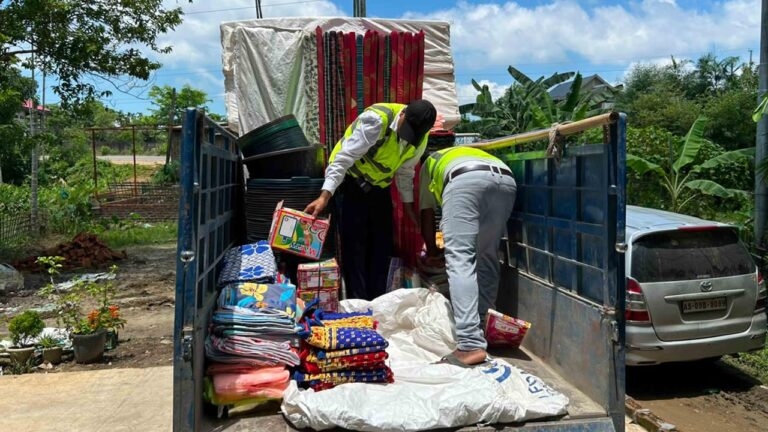
As the medical camp ended, Miles2Smile immediately arranged for basic items that help in running a house. These people had been living in a shelter created by them after the flood, but a house without basic essentials is bare bones.
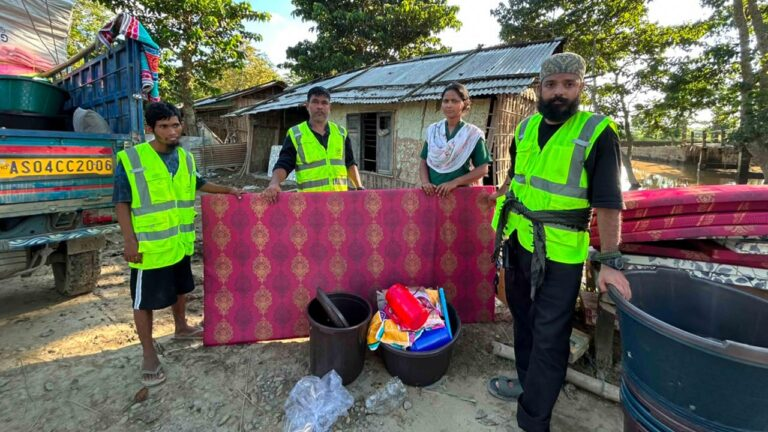
Miles2Smile provided kitchen essentials, toiletries, bedding, and more to as many as 50 families. The items helped them make their structure a house, a place where they could rebuild their homes. The relief on their faces after receiving the items made us forget the tiredness that had shrouded us due to nocturnal nights and long working hours. It motivated us to bourgeon our work, and we promised 50 more families to provide them with basic essentials.
Rebuilding Mosques and Madrassas
While wading through the flood, Miles2Smile heard stories of broken homes, crashed livelihoods, and devastated lives, but what remained hidden were the stories of crumbling happiness—the shattered pieces of places of worship, waiting for a glue to place them back.
While working in the flood, with waters making it difficult to survive, Miles2Smile struggled to find a place to worship, and their search for it led to a question: what if there is not even one left?
The answer required a long search, which ended by witnessing the conditions of mosques and madrassas. The saf carpets (prayer carpets) in the masjid were swollen, torn, and swept away. The holy books were drenched, speakers and amplifiers malfunctioned due to water ingress, and the ablution block (Wazu Khana) was crushed into pieces.
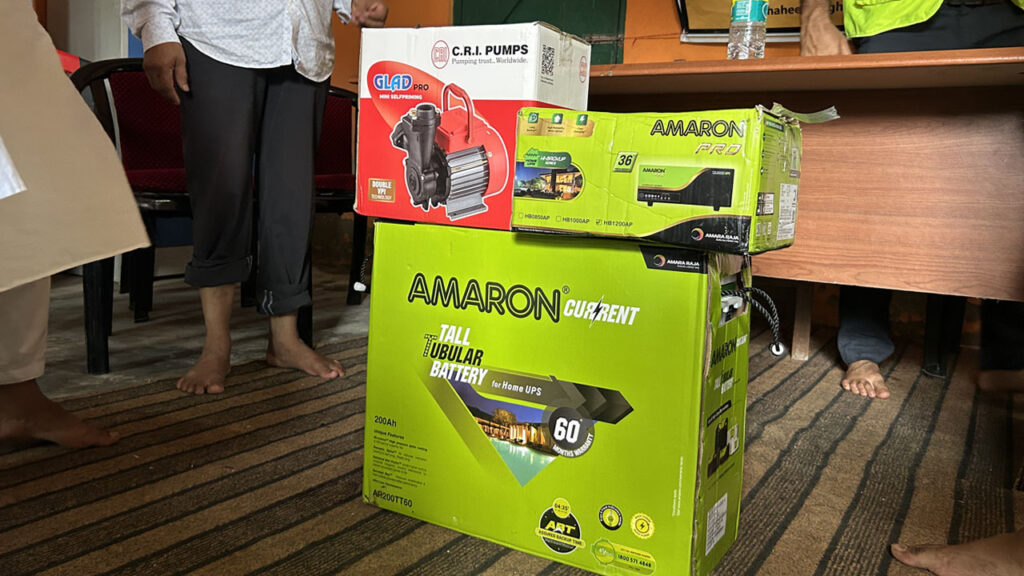
Furthermore, when the team walked in the remnants of Madrassas, it learned that book pages had absorbed substantial moisture and bindings were expanded; uniforms of the children were unwearable due to water damage; the inverters had permanent operational disruption; and mats looked similar to those of mosques—torn, swollen, and unusable.
After witnessing the condition, the thought lurked in their minds—to fix the broken pieces of mosques and madrassas. Soon, the next day, on the 7th of August, 2026, they found themselves with mics, amplifiers, inverters, and more in the alleys of mosques and madrassas.
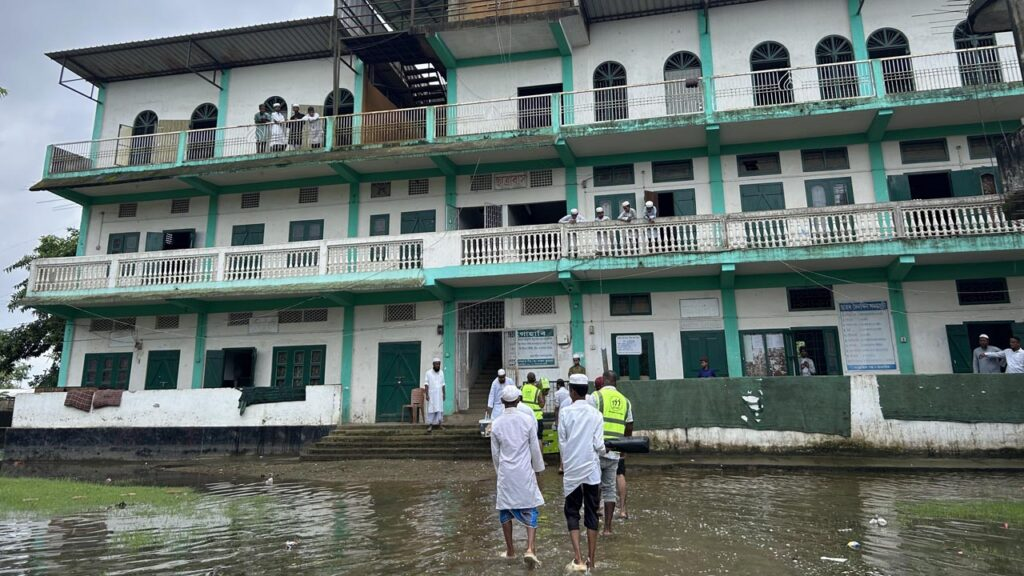
With threads of love they tried to stitch back the torn parts of the mosques and madrassas. Each stitch reminded them of the long way that we are yet to travel. As they glued the patches, the faces of people associated with the mosques lit with happiness, proving to us the relief our hearts were yearning for.